Potassium is one of the most important minerals in the human body — and one of the most consistently under-consumed. It regulates heartbeat, maintains proper fluid balance, supports nerve impulse transmission, enables muscle contraction (including the heart muscle), counteracts sodium’s blood-pressure-raising effects, reduces the risk of kidney stones, and protects against bone loss. The recommended daily intake is 3,400 mg for adult men and 2,600 mg for adult women, yet research consistently shows that most people fall meaningfully short of these targets — nutrition experts have flagged potassium as a nutrient of genuine public health concern, with current dietary intake meeting only about 88% of recommended levels even in health-conscious populations.
The most ironic part of the potassium story is that virtually everyone associates the mineral with bananas — yet bananas don’t even crack the top ten potassium-rich foods. A medium banana contains approximately 451 mg of potassium, roughly 10% of the daily requirement. You would need to eat more than ten bananas daily to meet your potassium target from bananas alone, and the sugar load from that many bananas would create its own problems. The five foods below deliver dramatically more potassium per serving than bananas, and understanding them genuinely changes how you approach this critical mineral.
Why Potassium Matters More Than Most People Realise
Before the food list, the health stakes deserve emphasis. Potassium works in direct opposition to sodium — the two minerals exist in a carefully regulated balance that controls blood pressure, fluid distribution, and cellular function throughout the body. When potassium intake is low relative to sodium intake (which describes most modern diets, given the prevalence of processed and restaurant-prepared food), blood pressure rises, arterial stiffness increases, and cardiovascular risk climbs measurably. Harvard Health research confirms that adequate potassium intake is directly associated with lower rates of hypertension, stroke, and cardiovascular mortality.
Beyond cardiovascular effects, potassium supports kidney health by reducing calcium excretion (lowering kidney stone risk), maintains bone mineral density by buffering the acid load from protein-heavy diets, and feeds beneficial gut bacteria that produce compounds maintaining gut lining integrity and regulating inflammation — effects that may even play a role in protecting cognitive health over the long term.
The single most effective strategy for increasing potassium intake is simply eating more whole, minimally processed foods — particularly fruits, vegetables, and legumes. Processed foods are typically stripped of potassium and loaded with sodium, creating exactly the imbalance that potassium-rich whole foods are designed to correct.
1. Beet Greens, Swiss Chard, and Leafy Greens — The Potassium Champions
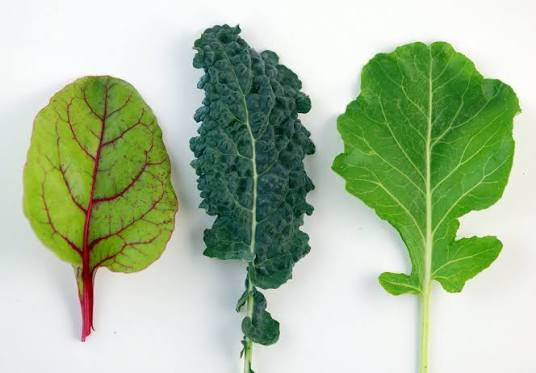
Dark leafy greens occupy the very top of the potassium density rankings, with beet greens providing a genuinely extraordinary 1,300 mg of potassium per cooked cup — nearly 40% of the entire daily requirement from a single vegetable serving. Swiss chard provides approximately 960 mg per cooked cup, and cooked spinach approximately 840 mg per cup.
These numbers are remarkable because they dramatically outperform the banana that most people associate with potassium — beet greens provide nearly three times as much potassium per serving as a banana, without the sugar content. Beyond potassium, these greens deliver vitamin C, vitamin K, magnesium, iron, and dietary fibre in the same servings, making them among the most nutrient-dense foods available per calorie consumed.
For Indian consumers, palak (spinach), methi (fenugreek greens), chaulai (amaranth), and sarson (mustard greens) all provide substantial potassium content within familiar culinary preparations. Traditional sabzi and saag preparations deliver potassium efficiently, particularly when prepared with minimal salt to preserve the favourable potassium-to-sodium ratio that makes these foods so beneficial.
A practical note: cooking leafy greens actually concentrates their potassium content per cup, since the leaves shrink dramatically during cooking. A cup of cooked spinach contains significantly more potassium than a cup of raw spinach, simply because you’re eating the equivalent of several cups of raw leaves in that single cooked cup.
Potassium per serving: Beet greens ~1,300 mg/cup cooked; Swiss chard ~960 mg/cup cooked; Spinach ~840 mg/cup cooked. Practical addition: One serving of cooked leafy greens daily as sabzi, saag, or added to dal and soups.
2. Sweet Potatoes and White Potatoes — The Underrated Potassium Powerhouses
Potatoes — both sweet and white varieties — are among the most potassium-dense commonly consumed foods, and they deserve far more recognition than they typically receive in potassium conversations. A medium baked sweet potato provides approximately 694 mg of potassium, while a medium white potato with skin delivers approximately 926 mg — more than double a banana’s potassium content from a single potato.
The skin matters significantly: potato skin alone contributes substantial fibre and potassium, and peeling potatoes before cooking meaningfully reduces their potassium delivery. Eating potatoes baked, steamed, or roasted with their skin intact maximises both potassium and fibre benefits, while deep-frying (as in French fries or chips) adds unhealthy fats and excessive sodium that counteract the cardiovascular benefits potassium provides.
Sweet potatoes additionally provide beta-carotene (the vitamin A precursor responsible for their orange colour), vitamin C, and manganese. White potatoes provide vitamin C, vitamin B6, and a specific type of resistant starch (particularly when cooked and cooled) that feeds beneficial gut bacteria.
For Indian consumers, shakarkandi (sweet potato) and regular aloo prepared without excessive salt — baked, roasted, or in low-oil preparations — represent accessible, affordable, high-potassium staples available nationwide.
Potassium per serving: White potato with skin ~926 mg/medium; Sweet potato ~694 mg/medium. Practical addition: Include potatoes (with skin) 3-4 times per week, prepared baked, roasted, or steamed rather than fried.
3. Beans, Lentils, and Legumes — The Plant Protein Potassium Source
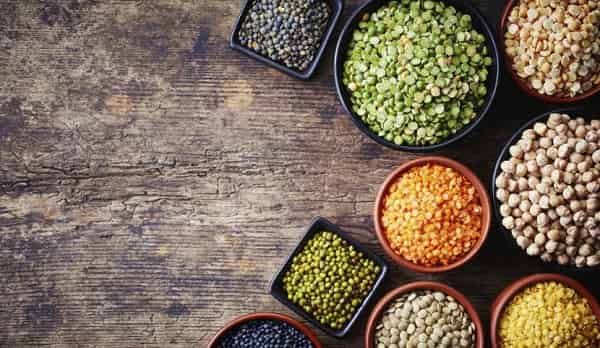
Legumes are exceptional potassium sources that simultaneously deliver protein, fibre, iron, and folate — making them among the most nutritionally efficient food categories available. Lima beans provide approximately 955 mg of potassium per cooked cup. Kidney beans deliver approximately 713 mg per cup, white beans approximately 1,004 mg per cup, and lentils approximately 731 mg per cup.
Harvard Health specifically recommends getting “in the legume habit” for potassium — eating beans, peas, and lentils daily or at least several times a week. This recommendation reflects the exceptional potassium-to-calorie ratio legumes provide alongside their protein and fibre content, which together support cardiovascular health through multiple complementary mechanisms simultaneously.
For Indian consumers, the traditional daily dal habit is genuinely one of the most potassium-efficient dietary patterns available anywhere. Toor dal, masoor dal, moong dal, rajma, chana, and urad dal all provide substantial potassium alongside the protein that makes legumes such a central component of Indian vegetarian nutrition. The traditional combination of dal with rice or roti, supplemented by a vegetable sabzi, creates a naturally potassium-rich meal pattern that many Western diets struggle to replicate.
Potassium per serving: White beans ~1,004 mg/cup cooked; Lima beans ~955 mg/cup cooked; Lentils ~731 mg/cup cooked. Practical addition: At least one serving of legumes daily — the Indian dal tradition is already an excellent foundation.
4. Avocados, Bananas, and Potassium-Rich Fruits
Among fruits, avocados provide the most concentrated potassium content — a whole avocado (without skin and seed) delivers approximately 690 mg of potassium, nearly 15% of the daily requirement from a single fruit. Avocados additionally provide healthy monounsaturated fats, fibre, vitamin K, and folate, making them genuinely exceptional for cardiovascular health through multiple nutrient pathways simultaneously.
Bananas, despite their reputation, actually rank modestly among potassium-rich fruits at approximately 451 mg per medium banana. Their close cousin, plantains, deliver even more — approximately 663 mg per cup. Dried fruits concentrate potassium significantly: dried apricots, prunes, and raisins provide meaningful potassium in small, convenient snack portions, though their concentrated sugar and calorie content means portion control matters.
Other notable potassium-contributing fruits include cantaloupe (approximately 427 mg per cup), oranges (approximately 326 mg per medium orange), kiwi, and papaya. Coconut water — increasingly popular as a natural sports drink — provides approximately 600 mg per cup, making it one of the most efficient liquid potassium sources available.
For Indian consumers, bananas, coconut water (nariyal pani), papaya, and pomegranates are readily accessible, affordable, year-round potassium sources. Seasonal fruits including mango, chikoo, and watermelon add variety across the year.
Potassium per serving: Avocado ~690 mg/whole fruit; Banana ~451 mg/medium; Coconut water ~600 mg/cup. Practical addition: 2-3 servings of fruit daily, prioritising avocado, bananas, and seasonal fruits alongside coconut water.
5. Salmon and Fatty Fish — The Animal Kingdom’s Potassium Leader
Among animal foods, fatty fish — particularly salmon — provides the highest potassium content alongside the omega-3 fatty acids that independently support cardiovascular health. A 3-ounce serving of cooked salmon delivers approximately 326-534 mg of potassium (depending on the specific type), alongside substantial EPA and DHA omega-3s, vitamin D, and high-quality protein.
The combination of potassium and omega-3s in fatty fish creates a particularly powerful cardiovascular protection package: potassium lowers blood pressure by counteracting sodium, while omega-3s reduce triglycerides, decrease inflammation in blood vessel walls, and reduce the risk of arrhythmias. These mechanisms work through entirely different pathways, meaning their benefits are genuinely additive rather than overlapping.
For Indian consumers, rohu, hilsa, bangda (mackerel), and sardines provide comparable potassium alongside omega-3 benefits at more accessible price points than imported salmon. Yogurt and milk also contribute meaningful potassium from the dairy category — approximately 380 mg per cup of plain yogurt — making Indian curd (dahi) an additional daily potassium contributor within traditional Indian meals.
Potassium per serving: Salmon ~326-534 mg/3 oz; Yogurt ~380 mg/cup. Practical addition: 2-3 servings of fatty fish per week, plus daily yogurt or curd as part of regular Indian meals.
The Sodium-Potassium Balance
Potassium’s benefits are maximised when sodium intake is simultaneously controlled. Excessive sodium intake overwhelms potassium’s blood-pressure-lowering effects, regardless of how much potassium-rich food you eat. The DASH eating plan — specifically designed to lower blood pressure — recommends limiting sodium to 1,500-2,300 mg daily while increasing potassium through fruits, vegetables, and legumes. For Indian consumers specifically, reducing added salt in cooking and at the table, and limiting papad, pickles, and processed snacks, enhances the cardiovascular benefits of potassium-rich foods substantially.
FAQs
Q1. Why are bananas not the best source of potassium despite their reputation?
Bananas contain approximately 451 mg of potassium per medium fruit — a meaningful but moderate amount. Multiple foods provide dramatically more potassium per serving: beet greens (1,300 mg/cup), white beans (1,004 mg/cup), and potatoes with skin (926 mg/medium). Additionally, bananas contain significant sugar, while many higher-potassium alternatives like leafy greens and legumes provide more potassium with less sugar.
Q2. How much potassium do I need daily?
The recommended daily intake is 3,400 mg for adult men and 2,600 mg for adult women. Athletes and people who sweat heavily may need more, since sweating depletes electrolytes including potassium. Most people currently fall meaningfully short of these targets.
Q3. Can I get too much potassium from food?
Healthy individuals with normal kidney function can generally manage potassium from food sources without concern. However, people with kidney disease or those taking certain medications (particularly potassium-sparing diuretics or ACE inhibitors) may need to limit potassium intake and should consult their doctor about appropriate dietary levels.
Q4. Does cooking affect potassium content in food?
Boiling can leach some potassium into cooking water. Steaming, baking, and roasting preserve more potassium than boiling. For maximum potassium retention, consume cooking liquids (as in soups and dals) or choose cooking methods that don’t involve discarding water.
Q5. Are traditional Indian foods naturally high in potassium?
Yes, remarkably so. Daily dal provides 700-1,000 mg per serving, yogurt/curd contributes 380 mg per cup, traditional leafy green preparations provide 800-1,300 mg per serving, and coconut water provides approximately 600 mg per cup — making traditional Indian dietary patterns naturally potassium-rich when maintained consistently.