Height is one of those traits that provokes deeply mixed feelings in most people — powerfully influenced by genetics, largely determined by factors outside personal control, and yet not entirely locked in the way many assume. The scientific consensus is genuinely clear on this: genetics accounts for approximately 60% to 80% of an individual’s final adult height, but the remaining 20% to 40% is meaningfully shaped by nutrition, sleep, physical activity, and overall health during the critical growth years. For parents watching their children through the growing years, and for teenagers themselves during the peak growth windows, understanding which foods most powerfully support height development is a genuinely useful, evidence-backed intervention that can help every young person reach their full genetic potential rather than falling short of it.
The peak growth windows matter enormously. Girls typically experience their most rapid growth between ages 10 and 14, finishing around age 16. Boys grow most quickly from around age 12 until approximately 16 to 18, with some continuing to grow into their early twenties. Nutrition during these specific windows has disproportionate impact — the same food intake at age 25 produces essentially no height effect, while at age 12 it can meaningfully shift the trajectory. Growth hormone is secreted primarily during deep sleep, and physical activity (especially jumping, running, and stretching movements) stimulates its release, meaning the foods below work best combined with adequate sleep and consistent physical activity rather than in isolation.
The Nutrients That Actually Drive Height Growth
Before the food list, the specific nutrients doing the biological work: protein provides amino acids (particularly lysine and arginine) that build bone and muscle tissue and stimulate growth hormone secretion; calcium is the primary structural mineral for bone elongation; vitamin D enables calcium absorption without which even high calcium intake fails to build bone; vitamin K2 activates the proteins that lock calcium into bone matrix; zinc supports the growth hormone-IGF-1 axis and protein synthesis; magnesium and phosphorus reinforce bone mineral structure; and vitamin C drives collagen synthesis (approximately 90% of bone matrix proteins are collagen).
1. Eggs — The Most Complete Growth Food

Eggs are arguably the single most valuable food for height growth on a nutrient-per-serving basis. A single egg contains approximately 6 grams of high-quality complete protein along with vitamin D, vitamin A, vitamin B12, choline, and biotin — a combination that directly supports both the structural (bone-building) and hormonal (growth hormone secretion) mechanisms of height development.
The vitamin D content is particularly important. Vitamin D deficiency is directly linked to stunted growth in children, and even mild vitamin D insufficiency can meaningfully reduce annual height gains — research has shown that a 10 nmol/L increase in vitamin D levels is associated with roughly 0.15 centimetres of added yearly height growth in children. Eggs are one of the few natural food sources of vitamin D readily available in Indian households, alongside fatty fish and mushrooms.
The direct research evidence for eggs and height is compelling. A study of 874 children under age five specifically found that children with higher regular egg consumption showed measurable monthly height increases compared to those consuming fewer eggs — one of the more robust dietary-intervention findings in pediatric growth literature.
Practical addition: One to two eggs daily for growing children and teenagers, prepared any way (boiled, scrambled, in omelettes, or as part of Indian preparations like egg curry). Consuming eggs alongside vitamin C-rich foods enhances iron absorption from the yolk.
2. Dairy — Milk, Yogurt, and Paneer
Dairy is the single most concentrated source of calcium in the typical Indian diet, and calcium is the fundamental structural mineral without which bones cannot elongate. Beyond calcium, dairy provides high-quality protein, vitamin D (in fortified products), phosphorus, magnesium, potassium, and vitamin B12 — a nutrient combination specifically designed by biology to support skeletal development in growing mammals.
Milk itself is particularly valuable during the growth years. A single cup of whole milk provides approximately 300 mg of calcium along with 8 grams of high-quality protein — meaning two to three cups daily can meet a significant portion of a growing child’s or teenager’s calcium requirement. Greek yogurt is even more protein-dense, with approximately 20 grams of protein per 200-gram serving, alongside probiotic beneficial bacteria that support gut health and improve overall nutrient absorption — a genuine, evidence-backed mechanism by which yogurt supports growth beyond its direct nutrient content.
Paneer (Indian cottage cheese) is particularly valuable in the Indian dietary context, providing calcium and protein concentrations comparable to Western cheeses at accessible price points and integrating seamlessly into Indian vegetarian diets where finding protein sources of comparable density is otherwise genuinely challenging.
Practical addition: Two to three servings daily of dairy — one glass of milk (ideally with breakfast or before bed), one bowl of yogurt or curd, and paneer incorporated into main meals two to three times weekly.
3. Chicken and Fatty Fish — Complete Animal Protein
Chicken provides among the highest concentrations of complete, easily absorbed protein of any commonly consumed food — approximately 20 grams of protein per 85-gram serving — along with vitamin B12 (essential for growth, with B12 deficiency directly linked to slower height progression in children), niacin, selenium, and phosphorus. For non-vegetarian growing children and teenagers, chicken represents the most efficient way to consistently meet the high protein requirements that peak growth demands.
Fatty fish — salmon, mackerel, sardines, and rohu — provide a genuinely different and complementary set of growth nutrients. The primary advantage is omega-3 fatty acids, which research suggests may help bone formation and lessen bone loss, contributing to peak bone mass achievement during the teenage years. Fatty fish is also one of the few natural food sources of vitamin D — critically important given how widespread vitamin D insufficiency has become even in sunny climates. Sardines specifically, when consumed with their soft edible bones, provide extraordinary calcium concentrations alongside the omega-3 and vitamin D benefits.
For growing children who don’t get enough good dietary fat, sleep quality can suffer — and since growth hormone is primarily secreted during deep sleep, this indirectly contributes to stunted growth. The omega-3s in fatty fish support both direct bone development and better sleep quality that enables adequate growth hormone secretion.
Practical addition: Chicken or fish two to three times per week (grilled, curried, or in soups), rotating between different sources to provide variety in nutrient profiles.
4. Legumes and Beans — The Vegetarian Growth Anchor
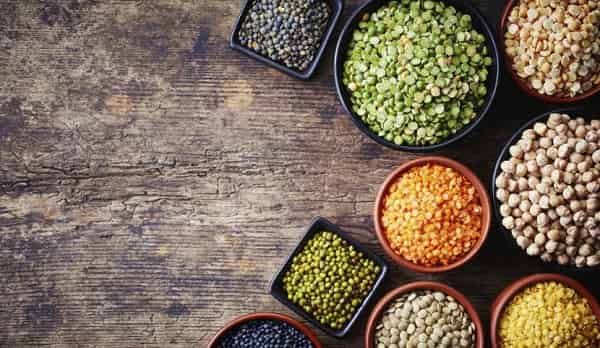
For vegetarian children and teenagers, legumes (dals, chickpeas, kidney beans, and other beans) are the most important single food category supporting height growth. Beans and legumes are highly nutritious sources of plant protein containing meaningful concentrations of lysine and arginine — the specific amino acids that stimulate insulin-like growth factor 1 (IGF-1), the hormone most directly regulating growth in children.
Beyond protein, legumes provide iron and B vitamins that protect against anaemia — a specific consideration because iron-deficiency anaemia is a documented cause of stunted height growth in children, and vegetarian children are at particular risk without careful iron attention. Legumes also deliver calcium, magnesium (which aids calcium absorption), fibre, copper, manganese, zinc, and phosphorus in the same servings — a nutrient density that no other single plant food category matches.
For Indian children specifically, this is important context: the traditional Indian dietary pattern of dal with rice or roti, chickpea preparations like chana masala, and rajma (kidney beans) provides a genuinely excellent foundation for height growth when paired with adequate calcium sources from dairy or leafy greens. Combining legumes with grains creates a complete protein profile with all essential amino acids — the biological principle behind why dal-chawal and dal-roti have been dietary staples across India for millennia.
Practical addition: One to two servings of legumes daily as part of main meals — dal, chana, rajma, or preparations from other pulses. Sprouting legumes before consumption further increases their nutritional bioavailability.
5. Leafy Greens — Spinach, Kale, and Amaranth
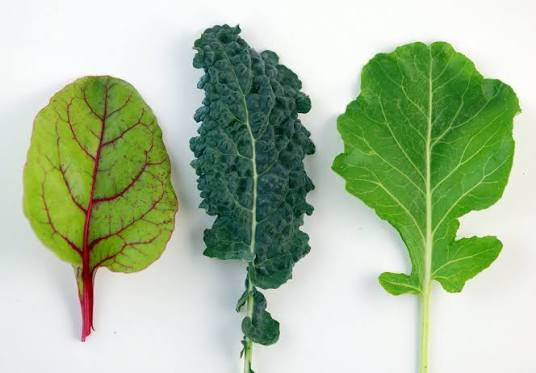
Dark leafy greens — spinach, kale, methi (fenugreek leaves), amaranth (chaulai), and other regional Indian greens — are the most nutrient-dense plant foods for supporting height growth, providing an extraordinary combination of calcium, iron, magnesium, potassium, vitamin C, vitamin K, and vitamin A in remarkably low-calorie servings.
Vitamin K is a specific reason leafy greens matter enormously for height. Vitamin K activates a protein called osteocalcin, which locks calcium into the bone matrix — meaning that without adequate vitamin K, even ample calcium intake fails to build strong, elongating bones effectively. Vitamin K2, particularly present in fermented foods and certain greens, plays a specific role in preventing rickets and osteoporosis.
Research involving 103 women found that regular consumption of leafy greens was significantly associated with a lower risk of decreased bone mass — evidence that translates directly to the growth context, where the same nutrients that preserve adult bone mass are those that build juvenile bone during growth. The vitamin C content of greens also supports collagen synthesis, and collagen constitutes approximately 90% of bone matrix protein, meaning inadequate vitamin C directly impairs bone development.
For Indian consumers, palak (spinach), methi (fenugreek), sarson (mustard greens), amaranth, and drumstick leaves (moringa) all provide comparable growth-supporting nutrition, offering variety across seasons and regional cuisines.
Practical addition: One serving of cooked leafy greens daily as sabzi, dal-palak, saag preparations, or blended into smoothies for children who resist greens in whole form. Consuming greens with a small amount of fat (ghee or oil in Indian cooking) improves absorption of fat-soluble vitamins K and A.
FAQs
Q: Until what age can nutrition meaningfully affect height?
A: Nutrition has its greatest impact during the primary growth windows — birth to age 5 for foundational growth, and again during puberty (ages 10-14 for girls, 12-18 for boys). Some growth continues into the early twenties for late-maturing individuals. After the growth plates close (typically between 18-22 years depending on the individual), nutrition can no longer meaningfully increase height, though it continues to affect bone density and posture throughout life.
Q: Can supplements replace food for height growth?
A: Whole foods are generally preferable to supplements because they deliver nutrients in their natural forms with cofactors that optimise absorption. Supplements (particularly vitamin D, calcium, and multivitamins) can meaningfully address specific documented deficiencies, but should complement rather than replace a nutrient-dense diet. Consult a pediatrician or registered dietitian for personalised supplementation guidance.
Q: Why is sleep so important for height growth?
A: Growth hormone is primarily secreted during deep sleep phases, meaning inadequate sleep directly reduces the hormonal signal that drives skeletal elongation. Children aged 6-12 need approximately 9-12 hours of sleep nightly, and teenagers need 8-10 hours, for optimal growth hormone secretion.
Q: Does physical activity actually help increase height?
A: Yes, moderately. Physical activity, especially high-intensity interval training and movements involving jumping, running, and stretching, stimulates growth hormone secretion and supports bone strength development. It doesn’t override genetic ceilings but helps children reach their full genetic height potential.
Q: Are Indian traditional foods good for height growth?
A: Yes, remarkably so. Traditional Indian dietary patterns — dal-chawal (complete protein), curd with meals (calcium and probiotics), ghee-cooked leafy greens (fat-soluble vitamin absorption), ragi and jowar (calcium-rich millets), and paneer (concentrated calcium and protein) — provide a genuinely excellent nutritional foundation for growth when consumed consistently and in adequate portions.