Is contesting elections while in jail legal in India? Yes, if you haven’t been convicted and sentenced to two years or more: the Representation of the People Act, 1951 bars prisoners from voting but doesn’t bar undertrials and those in police custody from standing as candidates, as Amritpal Singh and Engineer Rashid showed when they won Lok Sabha seats from jail in 2024. Conviction with a sentence of two years or more is what triggers disqualification. This is general information, not legal advice.
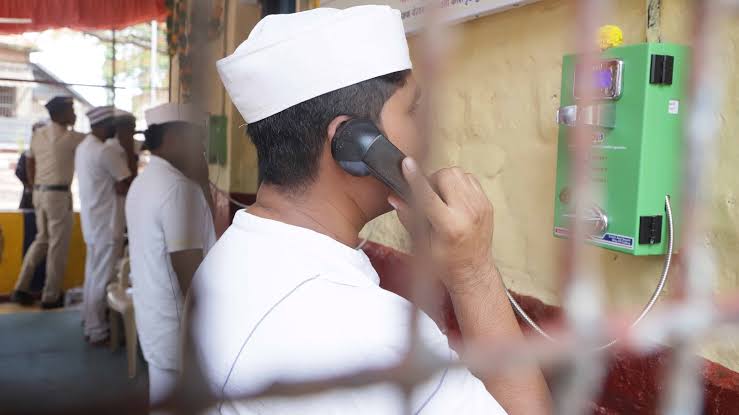
The Rule at a Glance
- Accused but not convicted: can contest, even while in custody
- Voting: barred for anyone confined in prison or in lawful police custody, under Section 62(5)
- After conviction: a sentence of two years or more disqualifies you from the date of conviction and for six years after release
- Stay of conviction: if a higher court stays the conviction, the disqualification is suspended
- Practical limits: a jailed winner needs court permission to leave custody for oath-taking or sessions
The Paradox: Candidate But Not Voter
The law treats the two rights differently.
- Section 62(5) says no person shall vote at any election if confined in a prison, whether under a sentence of imprisonment or transportation or otherwise, or in the lawful custody of the police, according to the Goa Chief Electoral Officer’s FAQ
- The restriction applies to undertrials as well, according to the Drishti IAS analysis, even if their names are on the electoral rolls
- Yet it is “ironical that an under trial can contest the elections but cannot cast his vote unless he is out on bail,” according to a Hindustan Times report
- A convict out on bail can also vote, according to the same report
Why Charges Alone Don’t Disqualify
The disqualification kicks in at conviction.
- Disqualification to contest applies only upon conviction, not merely on charges being framed, according to the UPSC-oriented explainer on IAS Gyan
- Section 8(3) says a person convicted and sentenced to at least two years’ imprisonment is disqualified, according to the Goa CEO’s FAQ and LawChakra
- That’s why Amritpal Singh, an undertrial, could contest from jail, according to LawChakra, which says no legal provision barred him
- The Supreme Court has said only Parliament can change the Act, and rejected pleas to disqualify people with criminal charges, according to Drishti IAS
The Conviction Rule in Detail
The sentence is what matters.
- The disqualification takes effect from the date of conviction and includes a six-year bar starting from the date of release, according to Drishti Judiciary
- In Lily Thomas v. Union of India (2013), the Supreme Court struck down Section 8(4), making disqualification of convicted legislators immediate, according to Wikipedia
- Rahul Gandhi was disqualified following conviction in a criminal defamation case under Section 8(3) and later reinstated after a stay by the Supreme Court, according to the same source
When a Conviction Is Stayed
Appeals can reverse the effect.
- A disqualified MP or MLA can still contest if the conviction is stayed on appeal by a higher court, as the Supreme Court ruled in 2019, according to Drishti Judiciary
- Once the conviction is stayed, the disqualification resulting from it is suspended
- A conviction that’s merely under appeal, without a stay, still disqualifies, according to the Goa CEO’s FAQ, even if the person is on bail
The Election Commission’s Power
There’s a relief valve.
- The Election Commission can remove or reduce the period of disqualification under Section 11 of the Act, according to IAS Gyan and Drishti IAS
- It’s a discretionary power, used sparingly, and the sources don’t give examples
The Nomination Rule
You need to be an elector.
- To contest, a person must be registered as a voter in any constituency, under Section 4(d) of the Act, according to the Goa CEO’s FAQ
- A jailed person’s voting right is suspended, but they remain on the roll as an elector, according to arguments recorded in a Tribune report on the 2004 Patna High Court case
- That reading underlies the idea that prisoners keep the right to be candidates even though they can’t vote
The 2013 Back-and-Forth
The law has swung both ways.
- In 2004 the Patna High Court directed the Election Commission to consider countermanding polls in constituencies where prisoners had contested, according to The Tribune
- A Supreme Court ruling in July 2013 held that people in jail or police custody couldn’t contest because they lost their status as electors, according to Amigos IAS, which dates it “July 10, 2023,” an apparent typo for 2013
- Parliament responded with the Representation of the People (Amendment and Validation) Act, 2013, which allows these individuals to contest even though they can’t vote, according to the same source and Wikipedia
- So the current position rests on that amendment
The 2024 Cases
Two jailed candidates won.
- Amritpal Singh, an undertrial and a separatist, contested the Khadoor Sahib parliamentary seat from jail, according to LawChakra
- Engineer Rashid also won while in custody, according to Amigos IAS
- For both men to attend parliamentary sessions, they must obtain court permission each time they wish to leave jail, according to the same source
- The cases raise the tension between individual rights and national security concerns, according to Amigos IAS
After the Win
Winning isn’t the same as sitting.
- A jailed winner has to seek court permission to leave jail for the oath or for sessions, as the Amigos IAS piece describes
- Whether permission is granted is for the court to decide, case by case
- If the person is later convicted and sentenced to two years or more, the seat can be lost under Section 8
Voting Rights of Prisoners
The wider debate continues.
- Over four lakh undertrials in prisons couldn’t vote in the 18th Lok Sabha elections, according to Drishti IAS
- The Supreme Court upheld the constitutional validity of Section 62(5) in 1997, according to the same source, and held that the right to vote isn’t a fundamental right
- About 18,000 prisoners in Punjab couldn’t vote in one assembly election, according to Hindustan Times, and the National Human Rights Commission recommended voting rights for undertrials, which the government didn’t act on
Arguments Around It
People disagree on whether it’s fair.
- Supporters of letting jailed candidates stand say the presumption of innocence protects them until conviction
- Critics worry that people facing serious charges can use elections to gain influence or protection
- The Supreme Court has also looked at expediting trials of criminal cases against lawmakers, according to LawChakra
Practical Steps for a Candidate in Custody
The mechanics are demanding.
- Confirm you’re registered as an elector in a constituency
- Arrange for the nomination papers to be filed and for proposers to support you, since you can’t move freely
- Seek court permission for any release needed to file, campaign or take the oath
- Prepare for a possible conviction, since it ends eligibility if the sentence is two years or more
Where the Sources Disagree
A few details need care.
- The year of the Supreme Court ruling that triggered the 2013 amendment, given as 2023 in one source
- Whether undertrials are “excluded from participating” in elections, which Drishti Judiciary uses to mean voting, not standing
- Several of these are exam-preparation summaries, so check Section 62(5) and Section 8 in the Act
FAQs
Q1. Is contesting elections while in jail legal in India?
Yes, if you’ve not been convicted and sentenced to two years or more. Undertrials can stand, though they can’t vote while in custody.
Q2. Why can a prisoner contest but not vote?
Section 62(5) bars voting for those in prison or police custody, while disqualification from contesting arises only on conviction under Section 8.
Q3. What disqualifies a candidate after conviction?
A sentence of two years or more under Section 8(3) disqualifies from conviction and for six years after release, unless the conviction is stayed on appeal.
Q4. Can a jailed winner attend Parliament?
Only with court permission each time. Jailed MPs such as Engineer Rashid and Amritpal Singh have to obtain it to leave custody.