Heart disease remains the world’s leading cause of death, and India specifically faces one of the highest per-capita rates of cardiovascular disease globally — driven by genetic predisposition, dietary changes toward processed foods, sedentary lifestyles, rising diabetes rates, and stress. The good news is that diet is among the most powerful controllable factors affecting heart disease risk, and the evidence for specific foods supporting cardiovascular health has become increasingly robust over the past decade.
The American Heart Association’s 2026 Dietary Guidance to Improve Cardiovascular Health emphasises consistent themes: eating plenty of vegetables and fruits, choosing whole grains over refined grains, selecting healthy protein sources (especially plant proteins and non-fried fish), replacing saturated fats with unsaturated fats, minimising added sugars, and limiting sodium and ultra-processed foods. The five foods below represent the highest-impact single-category interventions supported by decades of consistent research evidence.
1. Fatty Fish — The Omega-3 Powerhouse
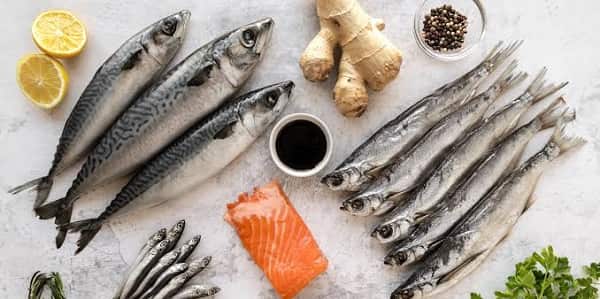
Fatty fish is arguably the single most evidence-backed food category for cardiovascular disease prevention. Prospective cohort studies consistently show that dietary patterns including non-fried fish and seafood are associated with meaningfully lower rates of overall cardiovascular disease events, myocardial infarction (heart attacks), and heart failure. Consuming 2-3 servings of fish per week is associated with a lower incidence of coronary heart disease, stroke, and cardiovascular mortality compared with less frequent consumption.
The primary active component is omega-3 fatty acids — specifically EPA and DHA, which the body cannot synthesise and must obtain through diet. Omega-3s work through multiple cardiovascular mechanisms simultaneously: they lower triglyceride levels (a key blood fat that contributes to arterial plaque), reduce blood pressure modestly, decrease the risk of arrhythmias (irregular heart rhythms that can be fatal), reduce inflammation in blood vessels (chronic inflammation is now understood as a fundamental driver of atherosclerosis), and increase HDL “good” cholesterol.
Salmon, mackerel, sardines, herring, and albacore tuna are the most omega-3-dense options. For Indian consumers, rohu, hilsa, bangda (mackerel), and sardines offer comparable omega-3 benefits at more accessible price points than imported salmon. Sardines are particularly valuable, providing omega-3s alongside calcium (from the edible bones) and vitamin D.
Cardiologists specifically recommend fatty fish as protein choices for a heart-healthy diet, with the American Heart Association endorsing regular consumption of fish and seafood as part of overall heart-friendly eating patterns.
Practical addition: 2-3 servings of fatty fish per week, prepared grilled, baked, curried, or in traditional Indian preparations. Avoid deep-frying, which degrades omega-3 content and adds unhealthy fats. Vegetarians can obtain some omega-3 benefit from walnuts, flaxseed, and chia seeds (which contain ALA, the plant precursor to EPA and DHA).
2. Berries — Fibre and Antioxidant Powerhouses
Berries — blueberries, strawberries, raspberries, blackberries, and Indian gooseberry (amla) — provide the most concentrated antioxidant and polyphenol content of any commonly available food category, and the cardiovascular evidence for regular berry consumption is genuinely compelling.
A UK study found that eating 150 grams (approximately one cup) of blueberries daily lowered cardiovascular disease risk by 15%. A separate London study found that consuming 200 grams of blueberries daily for one month led to measurable reductions in blood pressure. These are not modest effect sizes — they reflect the powerful combination of anthocyanins (the pigments giving berries their deep colours), fibre, vitamin C, and polyphenols working together to protect cardiovascular tissue.
The mechanisms are multiple. Anthocyanins reduce inflammation and oxidative stress in blood vessel walls. Fibre in berries helps lower LDL “bad” cholesterol by binding cholesterol in the digestive system before absorption. Polyphenols improve endothelial function — the health of the inner lining of blood vessels — and support healthy nitric oxide production, which keeps arteries flexible and reduces blood pressure. The fibre and antioxidant combination also helps regulate blood sugar, reducing the diabetes risk that itself substantially raises heart disease risk.
For Indian consumers specifically, amla deserves special mention — it contains approximately 20 times more vitamin C per 100 grams than oranges, along with polyphenols that have specific evidence for lowering cholesterol and supporting heart health in Ayurvedic tradition backed by modern research.
Practical addition: One cup of berries daily — fresh in season, frozen when unavailable (frozen berries retain their nutritional value). Amla juice, fresh amla in season, or amla-based preparations provide excellent Indian access to berry-equivalent nutrition year-round.
3. Nuts and Seeds — The Cholesterol-Lowering Champions
Higher nut and seed intake is consistently associated with lower rates of cardiovascular disease, coronary heart disease, and stroke across large observational studies. Walnuts specifically have some of the strongest research backing: a 2022 review found that consuming foods rich in alpha-linolenic acid (ALA) like walnuts was linked to a 10% lower risk of cardiovascular disease, and 2021 research published in the American Heart Association’s Circulation journal found that eating half a cup of walnuts daily for two years modestly lowered LDL cholesterol.
Nuts work through several complementary mechanisms. Walnuts specifically provide plant-based omega-3 fatty acids (ALA), which reduce inflammation. Almonds and pistachios have been shown in meta-analyses to reduce LDL cholesterol. All nuts provide fibre, magnesium, vitamin E (an antioxidant), and monounsaturated fats that improve overall cholesterol profiles when replacing saturated fat sources. Flaxseed studies specifically have shown reductions in total cholesterol and LDL cholesterol from consistent consumption.
Pumpkin seeds deserve specific mention — a quarter cup provides approximately 42% of the recommended daily allowance of magnesium, a mineral directly linked to cardiovascular health through blood pressure regulation and cardiac electrical function.
The critical practical caveat: portion control matters enormously with nuts, since they’re calorie-dense (approximately 160-200 calories per ounce), and excessive consumption can contribute to weight gain that itself increases cardiovascular risk. Choose unsalted varieties to avoid unnecessary sodium.
Practical addition: A small handful (approximately one ounce) of mixed nuts daily — walnuts, almonds, pistachios, cashews, or pumpkin seeds — as a snack or added to yogurt, oatmeal, or salads. A teaspoon of ground flaxseed added to breakfast provides additional benefit.
4. Whole Grains — Oats, Quinoa, and Brown Rice
Whole grains — foods containing all three components of the grain kernel (starchy endosperm, inner germ, and outer bran) — are among the most powerful dietary interventions for cardiovascular health, with a substantial body of observational evidence demonstrating that regular whole grain consumption is associated with lower rates of cardiovascular disease, coronary heart disease, and stroke.
A World Health Organization analysis of approximately 40 years of studies on dietary fibre found that adequate fibre intake provided a 15-20% decrease in cardiovascular-related mortality, including heart disease, stroke, and type 2 diabetes. Fibre — particularly the soluble fibre concentrated in oats — binds cholesterol in the digestive system, reducing its absorption and lowering LDL cholesterol.
Oats specifically contain beta-glucan, a soluble fibre with genuinely well-documented cholesterol-lowering effects. Steel-cut oats (Irish oats) are less processed than rolled oats and provide the highest fibre content, though rolled oats also deliver meaningful benefit. Whole wheat, quinoa, brown rice, barley, and ragi (finger millet, particularly valuable in Indian dietary tradition) all provide the whole-grain benefits that refined grains lack. A 2021 Tufts University study found that middle-to-older-age adults consuming at least three servings of whole grains daily saw smaller increases in waist size, blood pressure, and blood sugar — all cardiovascular risk factors.
For Indian consumers, traditional whole grains including ragi, bajra (pearl millet), jowar (sorghum), and unpolished rice provide excellent whole-grain nutrition rooted in indigenous dietary tradition, alongside newer additions like oats and quinoa.
Practical addition: Replace refined grains with whole grains at every opportunity — brown rice or millets instead of white rice, whole wheat roti instead of maida-based bread, oats-based breakfast at least three times weekly, and traditional millets (ragi, bajra, jowar) as regular components of daily meals.
5. Leafy Greens and Vegetables
Vegetables — particularly leafy greens like spinach, kale, methi, and Swiss chard — are associated with cardiovascular health across virtually every large dietary study conducted. Dietary patterns higher in vegetables consistently correlate with lower blood pressure, better cholesterol profiles, better blood sugar control, and lower rates of cardiovascular events.
Leafy greens work through multiple mechanisms. They provide dietary nitrates, which convert to nitric oxide in the body — a signalling molecule that relaxes and dilates blood vessels, lowering blood pressure and improving blood flow. They provide potassium, which counteracts sodium’s blood-pressure-raising effects. They deliver folate, magnesium, and vitamin K, all of which contribute to cardiovascular tissue health. And they provide fibre and antioxidants that reduce inflammation and support healthy cholesterol levels.
The American Heart Association’s 2026 guidance specifically emphasises consuming “plenty of vegetables and fruits and choosing a wide variety” — the variety matters because different vegetables provide different phytonutrients, and no single vegetable delivers the complete spectrum of cardiovascular-protective compounds available across the broader vegetable category.
For Indian consumers, the variety of traditional green vegetables — palak, methi, sarson, chaulai, moringa leaves — provides excellent seasonal variety of cardiovascular-protective foods. Traditional preparations that use minimal oil and preserve nutrients (steaming, quick sautéing, or adding to dals and soups) maintain more of the health benefits than heavy oil-based preparations.
Practical addition: Include vegetables at every main meal — one serving of leafy greens daily plus additional non-starchy vegetables (bhindi, cauliflower, cabbage, gourds, beans) across the day. Aim for filling half your plate with vegetables at lunch and dinner.
Foods to Limit for Heart Health
Alongside eating the foods above, minimise ultra-processed foods, excessive sodium (particularly from processed and restaurant foods), added sugars (particularly in sugar-sweetened beverages), trans fats (in commercially baked and fried foods), and processed and red meats. The American Heart Association specifically recommends limiting saturated and trans fats to reduce coronary artery disease risk.
FAQs
Q: How quickly can dietary changes improve heart health?
A: Meaningful improvements can begin within 4-8 weeks — blood pressure typically responds to dietary sodium reduction within days to weeks, cholesterol markers respond to fibre and healthy fat changes within 6-12 weeks, and inflammatory markers improve within similar timeframes. Long-term dietary patterns compound benefits over years and decades.
Q: Is olive oil the best cooking oil for heart health?
A: Extra virgin olive oil is among the most cardiovascular-protective cooking oils, rich in monounsaturated fats and antioxidants. For Indian cooking, mustard oil, groundnut oil, and refined rice bran oil are also cardiovascular-friendly options at appropriate cooking temperatures. Avoid partially hydrogenated (trans-fat-containing) oils and limit palm oil and coconut oil due to high saturated fat content.
Q: What about dark chocolate for heart health?
A: Dark chocolate containing at least 70% cocoa can be a heart-healthy treat in moderation — it contains antioxidants (flavonoids) that may improve blood pressure and blood flow. Limit to a small piece (approximately 20-30 grams) occasionally rather than daily consumption to avoid excess calories and sugar.
Q: Can heart-healthy diets really prevent heart disease?
A: Substantially yes, though not completely. Estimates suggest that heart-healthy dietary patterns can reduce cardiovascular disease risk by 30-40% in populations that adopt them consistently, though individual genetic factors and other lifestyle elements (smoking, physical activity, sleep, stress) also matter enormously.
Q: Are eggs bad for heart health?
A: Current evidence suggests that moderate egg consumption (1-2 eggs daily) is not associated with increased heart disease risk in healthy adults, and eggs provide valuable nutrients including protein, vitamin D, choline, and B vitamins. Individuals with specific cholesterol conditions, diabetes, or existing cardiovascular disease should consult their doctors about appropriate egg consumption limits for their specific situations.