Skincare in 2026 has never been more sophisticated — or more expensive. The global skincare industry generates hundreds of billions in revenue from serums, retinols, hyaluronic acid moisturisers, SPF formulations, and treatments that range from practical to extraordinary. Yet dermatologists and nutritionists increasingly agree on a truth that the cosmetics industry has a commercial incentive to downplay: the most powerful, most sustainable route to genuinely glowing, healthy skin begins not with what you apply to your face but with what you put into your body.
The science backing this is now robust and peer-reviewed, not merely anecdotal. Published research in nutritional dermatology has identified a specific set of nutrients — vitamin C, vitamin E, vitamin A and its carotenoid precursors, omega-3 fatty acids, zinc, selenium, polyphenols, and antioxidants broadly — that play direct, measurable roles in collagen production, skin hydration, cell turnover, UV protection, inflammation reduction, and the prevention of premature ageing. Five specific foods stand out above all others as the most concentrated, most accessible, and most comprehensively beneficial for skin health.
How Food Affects Your Skin: The Science
Before the food list, the mechanism is worth understanding, because it explains why dietary changes produce visible skin results over weeks and months rather than overnight. Your skin cells, like every other cell in your body, are continuously renewed — the outermost layer of skin cells (the epidermis) is replaced approximately every 27 to 30 days. The quality of those new cells depends on the quality of the nutritional inputs available when they are being built. Vitamins, fatty acids, and antioxidants sourced from food become the literal building blocks of new skin, influencing how hydrated, firm, smooth, and radiant that new skin will be.
Oxidative stress is the primary mechanism behind most visible signs of skin ageing. Free radicals — generated by UV exposure, pollution, stress, processed food, alcohol, and the body’s own metabolic processes — damage collagen and elastin, the structural proteins that keep skin firm and elastic. Antioxidants neutralise free radicals before they cause this damage, which is why antioxidant-rich foods are consistently at the top of every evidence-based skin health food list. Inflammation drives acne, redness, uneven tone, and accelerated ageing — making anti-inflammatory foods the second most important dietary category for skin health. And collagen production, the process that maintains skin firmness and reduces the visibility of fine lines, depends directly on vitamin C as its primary biochemical cofactor, making vitamin C the most important single nutrient for maintaining youthful skin structure.
1. Fatty Fish — Salmon, Mackerel, and Sardines
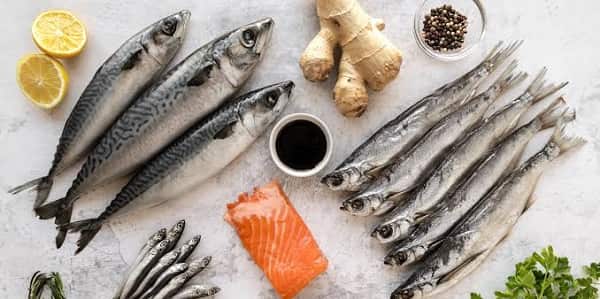
If you eat one category of food specifically for your skin, make it fatty fish. Salmon, mackerel, sardines, and herring are the most nutrient-dense skin foods available, delivering a combination of skin-specific nutrients in a single serving that no other common food matches.
The primary active component is omega-3 fatty acids — specifically EPA (eicosapentaenoic acid) and DHA (docosahexaenoic acid). Omega-3s are essential fats that the body cannot synthesise independently and must obtain through diet. For skin specifically, omega-3s serve multiple functions simultaneously: they maintain the integrity of the skin’s lipid barrier — the waterproofing layer that prevents moisture loss and keeps environmental irritants out — meaning adequate omega-3 intake directly supports skin hydration, softness, and barrier function. They are powerfully anti-inflammatory, reducing the prostaglandin-mediated inflammation that drives acne, redness, eczema flares, and the chronic low-grade inflammatory stress that accelerates visible skin ageing. And EPA specifically has been shown to inhibit the activation of matrix metalloproteinases — enzymes activated by UV exposure that degrade collagen — a mechanism that directly reduces photo-ageing at the cellular level.
Beyond omega-3s, fatty fish deliver vitamin E (one of the skin’s most important antioxidant nutrients, protecting against free radical damage and UV-induced oxidative stress), vitamin D (which plays a role in immune regulation of skin cells and supports skin barrier function), zinc (essential for acne prevention, wound healing, and sebum regulation), and high-quality protein (providing the amino acids from which collagen and keratin are synthesised).
A 2022 pilot study published in nutritional research literature found that women consuming one avocado daily for eight weeks showed improved facial skin elasticity and firmness — a finding that parallels the extensive evidence for fatty fish’s role in structural skin protein maintenance. For Indian consumers specifically, sardines (available fresh across coastal regions and canned nationwide), mackerel, and rohu are accessible, affordable fatty fish sources that deliver comparable omega-3 benefits to the more expensive salmon commonly featured in international nutrition guides.
Active nutrients: Omega-3 fatty acids (EPA and DHA), vitamin E, vitamin D, zinc, high-quality protein. Practical addition: Two to three servings per week of fatty fish, ideally grilled or steamed rather than deep-fried to preserve the omega-3 content.
2. Avocado — The Healthy Fat Powerhouse
Avocado has been a favourite of nutritionists for years, and the skin science behind this reputation is genuinely compelling rather than merely trendy. Avocados are one of the most nutrient-dense sources of monounsaturated fatty acids — the same class of healthy fats found in olive oil — which function in skin biology similarly to omega-3s: maintaining the skin’s lipid barrier, supporting moisture retention, and reducing inflammatory signalling that drives visible skin stress.
A single avocado provides meaningful quantities of both vitamin E and vitamin C — two antioxidants that work synergistically. Vitamin E is fat-soluble, meaning it integrates into cell membranes where it can neutralise free radicals at the point of generation. Vitamin C is the primary biochemical precursor for collagen synthesis — without adequate vitamin C, the body simply cannot produce the collagen that keeps skin firm, plump, and wrinkle-resistant. The combination of both vitamins in a single food is particularly valuable because vitamin C also helps regenerate vitamin E after it has been oxidised in its antioxidant function, extending vitamin E’s effective protective duration.
Avocados additionally contain lutein and zeaxanthin — carotenoid antioxidants that accumulate in skin tissue and specifically protect against the blue light and UV-induced oxidative damage that constitutes a growing category of skin ageing concern in high-screen-exposure lifestyles. And the biotin content of avocados supports the health of the skin’s epidermal cell layer directly, with biotin deficiency specifically linked to dry, scaly skin and dermatitis-like presentations.
The 2022 research showing that daily avocado consumption over eight weeks led to measurably improved facial skin elasticity and firmness in healthy women represents direct, clinical evidence of avocado’s skin benefits that goes beyond theoretical nutrient analysis into actual observed skin outcomes.
Active nutrients: Monounsaturated fatty acids, vitamins E and C, lutein, zeaxanthin, biotin, potassium. Practical addition: Half an avocado daily, as a toast topping, salad addition, smoothie ingredient, or eaten alone with a squeeze of lemon.
3. Berries — Nature’s Most Concentrated Antioxidant Package
Blueberries, strawberries, raspberries, blackberries, and gooseberries (amla, the Indian equivalent and arguably the most potent of all) constitute the most antioxidant-dense category of commonly available foods by volume, and antioxidants are the most directly useful dietary component for preventing the oxidative damage that produces most visible signs of skin ageing — wrinkles, uneven tone, loss of firmness, and the dulling of natural luminosity that accumulates gradually over years of UV, pollution, and metabolic stress.
The specific antioxidant compounds that make berries so powerful for skin are anthocyanins — the pigments that give berries their deep red, blue, and purple colours — along with vitamin C (present in extraordinary concentrations particularly in strawberries and amla), and polyphenols including ellagic acid, quercetin, and resveratrol (the latter most concentrated in the skin of red grapes and in blueberries). These compounds neutralise free radicals, reduce inflammatory cytokines that drive acne and redness, inhibit UV-induced collagen degradation at the enzymatic level, and promote skin microcirculation — the blood flow in the skin’s superficial capillary network that is responsible for that healthy, lit-from-within glow that no topical product can fully replicate.
A specific mention for amla (Indian gooseberry): amla contains approximately 20 times more vitamin C per 100 grams than oranges — making it by far the most vitamin-C-dense food widely available in the Indian dietary tradition. Vitamin C at these concentrations directly drives collagen synthesis, suppresses melanin production (relevant for reducing hyperpigmentation and achieving more even skin tone), and provides powerful UV-protective antioxidant activity. Amla eaten fresh, drunk as juice, or consumed as a supplement represents one of the most evidence-backed, traditional-and-modern-simultaneously skin health interventions available to Indian consumers.
Active nutrients: Anthocyanins, vitamin C, ellagic acid, quercetin, resveratrol, polyphenols. Practical addition: One cup of mixed berries daily. For Indian consumers, fresh amla in season or amla juice year-round, supplemented by strawberries and jamun as accessible berry sources.
4. Tomatoes — The Lycopene Skin Protector
Tomatoes carry a specific skin-relevant nutrient that no other commonly consumed food provides in comparable concentration: lycopene. Lycopene is a red-pigmented carotenoid antioxidant that accumulates in skin tissue after dietary consumption and has been specifically shown in peer-reviewed research to protect the skin against UV-induced damage, reduce erythema (sun-induced redness and inflammation), and decrease the visible appearance of fine lines and wrinkles.
The mechanism is direct: lycopene, alongside its carotenoid companions beta-carotene, lutein, and zeaxanthin (also present in tomatoes), integrates into the cell membranes of skin cells and acts as an internal UV filter — not replacing sunscreen at the surface level, but providing a second layer of photoprotective defence at the cellular level that reduces the cumulative DNA and collagen damage from sun exposure that constitutes the primary driver of long-term skin ageing.
A crucial practical note that nutritional research emphasises repeatedly: lycopene is significantly more bioavailable from cooked or processed tomatoes (tomato paste, sauce, puree, sun-dried tomatoes) than from raw tomatoes, because heat breaks down the tomato’s cell walls and releases lycopene from its bound form. Additionally, lycopene is fat-soluble, meaning it is absorbed considerably better when consumed alongside dietary fat — the traditional Indian combination of tomatoes cooked in oil (as in virtually every Indian curry and sabzi base) is actually nutritionally superior for lycopene absorption compared to eating raw tomato in a salad without fat. Indian cooking, in this specific respect, extracts more skin benefit from tomatoes than many Western preparations.
Active nutrients: Lycopene, beta-carotene, vitamin C, potassium, vitamin K. Practical addition: Cooked tomatoes in curry, sabzi, or sauce daily — the most bioavailable and most skin-beneficial form of tomato consumption.
5. Walnuts and Almonds — The Nut Skin Combination
Nuts deserve a place in any skin health food list, but walnuts and almonds together represent the most strategically complementary pairing — each providing skin nutrients that the other doesn’t, making them ideal as a combined daily handful rather than choosing between them.
Walnuts are the single best plant-based source of omega-3 fatty acids (ALA, which partially converts to EPA in the body), providing the anti-inflammatory and skin-barrier-supporting benefits of omega-3s for people who don’t consume fatty fish regularly. They also contain zinc, magnesium, arginine (an amino acid that supports skin circulation), and polyphenols with antioxidant properties. Research specifically on walnut consumption links regular intake to reduced systemic inflammation markers — a whole-body benefit that visibly manifests in skin as reduced redness, fewer inflammatory acne lesions, and a more even, calm complexion over time.
Almonds are the highest commonly available food source of vitamin E per gram among nuts — a single 30-gram handful provides approximately 7.4 mg of vitamin E, roughly half the daily recommended intake. The evidence for vitamin E and skin health is extensive: a 16-week randomised controlled pilot study found that participants who consumed 2 ounces of almonds daily showed significantly reduced facial wrinkling compared to a control group — a direct, clinically measured skin outcome from a dietary intervention. Almonds additionally provide zinc and selenium, two minerals that play essential roles in skin enzyme function, antioxidant defence, and the immune regulation of skin cells.
The practical combination for Indian consumers is a daily small handful (10-15 walnuts and 10-15 almonds) consumed as a morning snack — an accessible, portable, no-preparation-required daily skin nutrition habit that delivers a meaningful dose of omega-3s, vitamin E, zinc, and antioxidant polyphenols simultaneously.
Active nutrients: Omega-3 ALA, vitamin E, zinc, selenium, magnesium, polyphenols, arginine. Practical addition: 10-15 walnuts and 10-15 almonds daily, ideally soaked overnight for better digestion and nutrient absorption.
What to Avoid for Glowing Skin
The positive foods above work best alongside reduction of the most skin-damaging dietary patterns: refined sugars and high-glycaemic-index carbohydrates, which spike blood sugar and trigger inflammatory pathways that worsen acne and accelerate collagen degradation; ultra-processed foods high in trans fats and refined oils, which promote systemic inflammation; excessive alcohol, which dehydrates skin and generates free radicals; and chronic under-hydration, since water is the most fundamental medium for every cellular process that produces healthy skin, with a general minimum of eight cups daily widely recommended by dermatologists.
FAQs
Q: How long does it take to see skin improvement from dietary changes?
A: Visible skin changes from dietary improvements typically become apparent within four to eight weeks, reflecting the skin’s natural cell turnover cycle of approximately 27 to 30 days. Consistent dietary changes over this period produce genuinely new skin cells that reflect the improved nutritional inputs, with the most commonly noticed early changes being improved hydration, reduced redness, and a more even tone.
Q: Is vitamin C more important than vitamin E for skin?
A: Both are essential but serve different roles. Vitamin C is the primary cofactor for collagen synthesis — without it, collagen production falls directly, making it the most important single nutrient for maintaining skin firmness and reducing fine lines. Vitamin E is the most important lipid-soluble antioxidant, protecting cell membranes from oxidative damage. They work synergistically, and the most effective approach is to consume both through food and, where appropriate, supplementation.
Q: Why are cooked tomatoes better than raw tomatoes for skin?
A: Lycopene — the primary skin-protective compound in tomatoes — is significantly more bioavailable from cooked tomatoes than raw, because heat breaks down the cell walls and releases lycopene from its bound form. Additionally, lycopene is fat-soluble and requires dietary fat for absorption, meaning tomatoes cooked in oil (as in Indian curries and sabzis) deliver more bioavailable lycopene than raw tomatoes eaten without fat.
Q: Are there any Indian foods specifically good for skin glow?
A: Yes, several traditional Indian foods are exceptional for skin health: amla (Indian gooseberry) is the most vitamin-C-dense food available, with approximately 20 times more vitamin C per gram than oranges. Turmeric contains curcumin, a potent anti-inflammatory compound with specific skin benefits for reducing hyperpigmentation and acne inflammation. Sesame seeds (til) are rich in zinc and vitamin E. Mustard oil is a rich source of omega-3 and omega-9 fatty acids. Traditional Indian dietary patterns — rich in legumes, spices, and vegetables — are inherently well-aligned with evidence-based skin nutrition.
Q: Should I take supplements instead of eating these foods for skin benefits?
A: Whole foods are generally preferable to supplements for skin nutrition because they deliver nutrients in their natural forms with the cofactors, synergistic compounds, and fibre that optimise absorption and biological utilisation. Supplements can be valuable for addressing specific, confirmed deficiencies — vitamin D, omega-3s, and zinc are the most common skin-relevant deficiencies that supplementation can meaningfully address — but as general skin nutrition strategy, consistently eating the five foods above will typically outperform a supplement approach while delivering broader health benefits beyond skin specifically. Consult a dermatologist or registered dietitian for personalised guidance on supplementation.