Testosterone is the primary male sex hormone, but it plays fundamental roles in both men and women — supporting muscle mass and strength, bone density, mood regulation, sex drive, fertility, and overall metabolic health. Testosterone levels naturally begin declining around age 30 at approximately 1% per year, and modern lifestyle factors — chronic stress, sedentary behaviour, sleep deprivation, environmental toxins, and poor nutrition — have accelerated this decline in many men, contributing to what health researchers describe as a documented generational decrease in average testosterone levels over recent decades.
The good news is that specific dietary choices can meaningfully support the body’s natural testosterone production, particularly by addressing the vitamin and mineral deficiencies that most commonly impair testosterone synthesis. Three nutrients — vitamin D, zinc, and magnesium — have the strongest evidence base for testosterone support, and food sources rich in these nutrients form the foundation of any evidence-based testosterone-supporting diet.
An important honest caveat: dietary interventions work best for men whose testosterone is being suppressed by nutritional deficiency, not for men with already-optimal levels or those with hypogonadism (medical low testosterone) requiring proper clinical evaluation. If you suspect genuinely low testosterone, consult a doctor rather than relying solely on dietary interventions.
1. Oysters and Shellfish — Nature’s Zinc Champion

Oysters are, by a considerable margin, the single most zinc-dense food widely available — a single medium oyster provides more zinc than most people consume in an entire day from other food sources combined. Zinc is essential for testosterone production: zinc deficiency is directly linked to low testosterone, and research suggests that zinc supplementation for one to four months can meaningfully increase testosterone levels in men with zinc insufficiency.
The mechanism is direct. Zinc is required for the enzymatic conversion of cholesterol into testosterone in the testes, meaning inadequate zinc creates a bottleneck in the entire testosterone production pathway regardless of how much raw material is available. Zinc also supports pituitary gland function — the pituitary releases luteinising hormone (LH), which signals the testes to produce testosterone, and without adequate zinc, this signalling can weaken.
For non-oyster consumers, alternative zinc-rich foods include red meat (beef and mutton), pumpkin seeds, cashews, chickpeas, and lentils. Beef specifically provides both zinc and high-quality protein along with saturated fat that supports the cholesterol substrate from which testosterone is synthesised — moderate red meat consumption has genuine testosterone-supportive value beyond its protein content alone.
Practical addition: Where accessible, oysters or shellfish once weekly. For most Indian consumers, pumpkin seeds (a small handful daily), moderate beef or mutton consumption twice weekly, and consistent chickpea or lentil consumption provides comparable zinc intake through more accessible sources.
2. Eggs — Complete Testosterone-Supporting Nutrition
Eggs occupy an interesting position in testosterone nutrition because they simultaneously provide multiple relevant nutrients in a single, accessible, affordable food. A whole egg contains high-quality protein, vitamin D, healthy cholesterol (the biological precursor from which testosterone is synthesised), zinc, selenium, and B vitamins.
The vitamin D content matters significantly. Research including a year-long study of 65 men found that daily vitamin D supplementation (3,300 IU) increased testosterone levels by 20% compared to non-supplemented controls, and vitamin D deficiency is now understood as a common contributor to suboptimal testosterone across many populations. Eggs are one of the few natural food sources of vitamin D readily available in typical Indian diets, alongside fatty fish and mushrooms.
The cholesterol content of egg yolks — long unfairly demonised — is actually genuinely valuable for testosterone production, since testosterone is synthesised from cholesterol as its molecular precursor. Extremely low-fat diets have been shown in multiple studies to reduce testosterone levels, precisely because they starve the body of the raw material from which testosterone is built. Whole eggs (with yolks) support testosterone synthesis in ways that egg whites alone cannot.
Practical addition: Two to three whole eggs daily for adult men without specific medical contraindications, prepared any way — boiled, scrambled, in omelettes, or as part of Indian egg preparations.
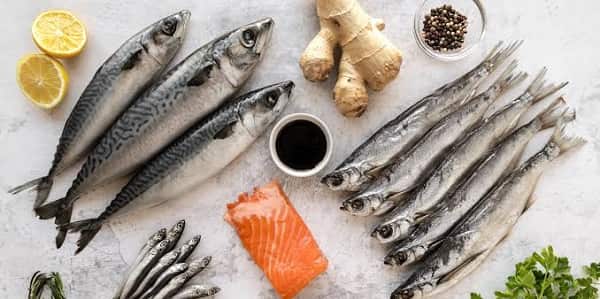
3. Fatty Fish — Salmon, Mackerel, and Sardines
Fatty fish provide the most powerful natural combination of vitamin D and omega-3 fatty acids in a single food. Vitamin D directly supports testosterone production. Omega-3 fatty acids reduce systemic inflammation — chronic inflammation is a documented suppressor of testosterone production, meaning the anti-inflammatory effect of consistent omega-3 intake indirectly protects testosterone levels from being depressed by inflammatory processes elsewhere in the body.
Salmon research specifically indicates it can help lower Sex Hormone Binding Globulin (SHBG) — a protein that binds testosterone in the bloodstream, making it biologically inactive. Lower SHBG means more free, biologically active testosterone available to actually exert its physiological effects. Tuna has been specifically studied for its vitamin D content and testosterone-supporting effects, with research at Graz Medical University suggesting vitamin D from fatty fish sources can meaningfully boost testosterone levels.
For Indian consumers, salmon can be expensive and less widely available. Local alternatives including mackerel (bangda), sardines, and rohu provide comparable omega-3 and vitamin D benefits at accessible price points. Sardines are particularly valuable, providing calcium and vitamin D alongside the omega-3 content.
Practical addition: Two to three servings of fatty fish per week, prepared grilled, baked, curried, or in traditional preparations. Avoid deep-frying, which can degrade the omega-3 content that provides much of the testosterone-supportive benefit.
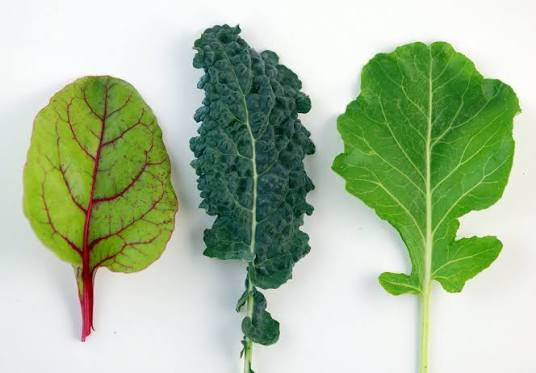
4. Spinach and Leafy Greens — The Magnesium Advantage
Spinach and other dark leafy greens are the most concentrated dietary sources of magnesium — the third of the three most-evidence-backed testosterone-supporting minerals (alongside zinc and vitamin D). Research indicates that magnesium supplementation can increase both free and total testosterone values in men, with larger increases often reported in men who also exercise — suggesting a synergistic effect between magnesium status and physical training.
Magnesium works for testosterone through multiple mechanisms. It reduces SHBG, freeing more biologically active testosterone. It supports vitamin D metabolism, converting vitamin D into its active hormonal form — which itself supports testosterone. And magnesium is a cofactor for hundreds of enzymatic reactions in the body, many of which indirectly affect hormone production and quality of sleep (which itself powerfully influences testosterone since most testosterone secretion occurs during sleep).
Beyond magnesium, leafy greens provide vitamin K, folate, iron, and antioxidants that collectively reduce oxidative stress — chronic oxidative stress damages Leydig cells (the cells in the testes that produce testosterone), meaning consistent antioxidant intake protects the testosterone-producing infrastructure itself from progressive damage.
For Indian consumers, palak (spinach), methi (fenugreek greens), amaranth, and moringa leaves all provide comparable magnesium and micronutrient profiles.
Practical addition: One serving of cooked leafy greens daily as sabzi, dal-palak, saag preparations, or added to soups and smoothies. Cook with a small amount of ghee or oil to enhance absorption of fat-soluble vitamins.
5. Pomegranate and Nuts — The Circulation and Antioxidant Combination
Pomegranate has been specifically studied for its testosterone effects, with research suggesting that pomegranate juice consumption can lower stress hormones like cortisol (which suppresses testosterone) while directly increasing testosterone levels. The high antioxidant content of pomegranate — particularly punicalagins and anthocyanins — reduces oxidative damage to the testes and improves blood flow, both mechanisms supporting healthier testosterone production over time. Pomegranate also improves blood pressure and mood, providing collateral benefits beyond direct testosterone effects.
Nuts — particularly walnuts and almonds — deliver a specific testosterone-supporting nutrient profile: healthy monounsaturated and polyunsaturated fats (providing the fat substrate for hormone synthesis), zinc, magnesium, selenium, and vitamin E (an antioxidant that protects testosterone-producing cells from oxidative damage). Research from Penn State University specifically found that men consuming monounsaturated fats from sources like nuts and vegetable oils showed lower LDL cholesterol and improved testosterone levels.
An important note on nuts: while healthy fats support testosterone synthesis, some research suggests very high consumption of specific nuts (particularly Brazil nuts) or certain plant compounds can have complex effects, so moderation and variety are important rather than excessive single-source consumption.
Ashwagandha, a traditional Ayurvedic herb, deserves mention alongside these foods — a 2022 study found that 300 mg of ashwagandha root extract taken twice daily for 8 weeks increased testosterone levels and sexual well-being in men, making it one of the few traditional supplements with genuine clinical evidence for testosterone support.
Practical addition: A small glass of fresh pomegranate juice or handful of pomegranate seeds most days, alongside a daily small handful (10-15) of mixed nuts including walnuts and almonds.
Lifestyle Factors That Matter Alongside Diet
No dietary intervention will overcome the testosterone-suppressing effects of chronic sleep deprivation (aim for 7-9 hours nightly), lack of resistance training (weightlifting and HIIT are documented testosterone boosters), excessive alcohol consumption, chronic psychological stress, or obesity (adipose tissue converts testosterone to oestrogen). The foods above work best as part of a genuinely healthy lifestyle rather than as standalone interventions.
FAQs
Q: How quickly can dietary changes affect testosterone levels?
A: Meaningful changes typically require 4-12 weeks of consistent dietary improvement, particularly if the changes address specific deficiencies like vitamin D, zinc, or magnesium insufficiency. Some men report noticeable energy, mood, and libido improvements within 2-4 weeks, but genuine measurable testosterone increases in blood tests typically take longer.
Q: Are testosterone-boosting supplements effective?
A: Evidence is strongest for vitamin D, zinc, and magnesium supplements — but only when addressing actual deficiencies. Ashwagandha has clinical evidence supporting testosterone benefits. Most commercial “testosterone booster” supplements have limited evidence supporting their specific formulations. Consult a doctor before starting any supplement regimen.
Q: Does age determine how much diet can affect testosterone?
A: Yes, meaningfully. Diet can help maintain testosterone in men of any age but works most powerfully when addressing correctable factors like nutrient deficiencies. Men over 50 may see more modest results from dietary intervention alone and should consult a doctor about broader evaluation of any low testosterone symptoms.
Q: Do vegetarians have lower testosterone?
A: Not necessarily, but vegetarians need to consciously ensure adequate zinc, vitamin D, omega-3s, and complete protein intake — nutrients more concentrated in animal sources. Well-planned vegetarian diets emphasising eggs, dairy, legumes, seeds, nuts, and fortified foods can support healthy testosterone without meat consumption.
Q: What foods should I avoid to protect testosterone levels?
A: Limit or avoid excessive alcohol (particularly beer, which contains phytoestrogens), highly processed foods, excessive sugar and refined carbohydrates, trans fats, and soy in very large quantities. Chronic overconsumption of these foods is associated with lower testosterone, though moderate consumption within an otherwise healthy diet is unlikely to cause significant harm.