Dietary fibre is arguably the single most under-consumed nutrient in modern diets globally. Recommended intake is 25 grams daily for women and 38 grams daily for men, yet the average American consumes only 10-15 grams per day, and average Indian intake sits similarly below optimal despite India’s traditionally fibre-rich food culture. The consequences of this collective fibre deficit are meaningful: fibre deficiency has been linked to elevated risk of heart disease, type 2 diabetes, colon cancer, chronic constipation, imbalanced gut microbiome, and even mental health effects through the gut-brain axis.
The good news is that fibre correction is one of the more straightforward dietary interventions — specific, well-documented foods can dramatically increase daily fibre intake without requiring complicated meal planning. A 2026 meta-analysis published in the BMJ found that every additional 7 grams of fibre per day is associated with a 9% reduction in cardiovascular disease risk — genuinely substantial benefits from what is fundamentally a very achievable dietary change.
Understanding Soluble vs Insoluble Fibre
Before the food list, one important distinction: dietary fibre exists in two forms with different functions. Soluble fibre dissolves in water forming a gel that slows digestion, lowers cholesterol by binding bile acids, stabilises blood sugar, and feeds beneficial gut bacteria. Sources include oats, beans, apples, chia seeds, and psyllium husk. Insoluble fibre doesn’t dissolve — it bulks up stool, supports regular bowel movements, and prevents constipation. Sources include wheat bran, nuts, vegetable skins, and whole grains. Most high-fibre foods contain both types, and both are essential for optimal health.
1. Split Peas, Lentils, and Beans — The Fibre Powerhouses
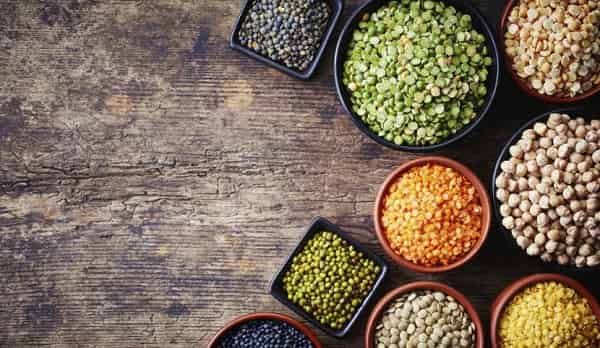
Legumes provide the most concentrated fibre content per serving of any food category, and among legumes, split peas top the charts with approximately 16.3 grams of fibre per cooked cup — meaningfully more than half the daily requirement in a single serving. Lentils provide approximately 15.6 grams per cup, black beans approximately 15 grams, kidney beans approximately 13.6 grams, and chickpeas approximately 12.5 grams.
This extraordinary fibre density comes packaged with high-quality plant protein, iron, folate, magnesium, and complex carbohydrates that release energy slowly rather than spiking blood sugar. The combination makes legumes arguably the single most nutritionally efficient food category for anyone trying to genuinely improve overall diet quality, not just fibre intake specifically.
For Indian consumers, the daily dal-chawal or dal-roti tradition provides an excellent fibre foundation. Rajma, chana, moong dal, masoor dal, urad dal, and toor dal — the enormous variety of legumes traditional in Indian cuisine — each contribute substantial fibre. Adding chickpeas to salads, using lentils in soups, and incorporating beans into weekly meals genuinely transforms fibre intake without requiring any exotic ingredients.
A practical caution: increasing legume consumption should happen gradually. Sudden dramatic increases can cause temporary digestive discomfort (gas and bloating) as gut bacteria adapt. Introducing legumes progressively over 2-3 weeks allows the microbiome to adjust comfortably.
Practical addition: At least one serving of legumes daily — dal, chana, rajma, or other pulses as central components of Indian meals. Soaking legumes overnight before cooking improves both digestibility and nutrient bioavailability.
2. Chia Seeds and Flax Seeds
Chia seeds are exceptional among concentrated fibre sources, providing approximately 10 grams of fibre per ounce (28 grams) — the highest fibre density per serving of any commonly available food. Ground flaxseed provides approximately 8 grams per 2-tablespoon serving. Both seeds are largely composed of soluble fibre, meaning they specifically deliver the cholesterol-lowering, blood-sugar-stabilising, and gut-microbiome-feeding benefits associated with soluble fibre.
The seeds’ unique property is that soluble fibre in chia and flax forms a gel when combined with water — the basis for chia seed pudding preparations and the reason ground flaxseed added to yogurt, oatmeal, or smoothies creates thicker, more satisfying textures. This gel-forming property is also why these seeds particularly effectively slow digestion and promote satiety, supporting weight management goals alongside their fibre benefits.
Beyond fibre, chia seeds and flaxseeds provide plant-based omega-3 fatty acids (ALA), protein, calcium, magnesium, and antioxidants. Ground flaxseed specifically has been documented in studies to lower total cholesterol and LDL cholesterol when consumed consistently.
An important practical note: flaxseeds must be ground to release their nutritional benefits — whole flaxseeds pass through the digestive system largely undigested. Grinding immediately before consumption preserves the omega-3 content, as ground flax oxidises relatively quickly.
Practical addition: 1-2 tablespoons of chia seeds daily (in smoothies, yogurt, or as chia pudding) or 1-2 tablespoons of freshly ground flaxseed added to breakfast preparations.
3. Whole Grains — Oats, Barley, Quinoa, and Traditional Millets
Whole grains provide substantial fibre alongside sustained-release complex carbohydrates that support stable energy throughout the day. Oats specifically provide approximately 5.5 grams of fibre per cooked cup, with a particularly valuable proportion being beta-glucan — a specific soluble fibre with strong research evidence for lowering cholesterol and supporting heart health. Barley provides similar beta-glucan benefits with approximately 6 grams of fibre per cooked cup.
Quinoa provides approximately 5 grams per cooked cup and represents one of the few complete plant proteins alongside its fibre content. Brown rice provides approximately 3.5 grams per cup, and whole wheat products vary from 2-6 grams depending on the specific preparation.
For Indian consumers, traditional millets provide arguably superior fibre content to Western whole grain equivalents. Ragi (finger millet), bajra (pearl millet), jowar (sorghum), and foxtail millet all provide 8-11 grams of fibre per cooked cup while additionally offering calcium (particularly in ragi), iron, and other minerals often deficient in modern refined diets. Replacing polished white rice with any of these traditional millets represents one of the highest-impact single dietary changes possible for fibre intake in the Indian context.
Practical addition: Replace refined grains with whole grains at every opportunity — traditional millets or brown rice replacing white rice, whole wheat roti instead of maida-based bread, oats-based breakfast at least 3 times weekly, and quinoa as an occasional variety.
4. Berries, Avocados, and High-Fibre Fruits
Among fruits, berries provide exceptional fibre content per serving. Raspberries provide approximately 8 grams per cup — extraordinary among fruits — with much of the fibre coming from their tiny edible seeds. Blackberries offer similar content. Blueberries provide approximately 4 grams per cup, and strawberries approximately 3 grams. Beyond fibre, all berries deliver powerful antioxidants and vitamin C.
Avocados deserve particular mention: a single medium avocado provides approximately 9-10 grams of fibre alongside healthy monounsaturated fats, potassium, and folate — making them one of the most nutritionally efficient single-food fibre contributions available. The fibre in avocado is a balanced mix of soluble and insoluble types.
Pears provide approximately 5.5 grams of fibre per medium fruit, with the skin containing most of the fibre content — eating pears unpeeled is nutritionally superior. Apples similarly provide approximately 4 grams per medium fruit, with the skin being essential for full fibre benefit. Bananas provide approximately 3 grams per medium fruit alongside potassium.
For Indian consumers, guava deserves special emphasis — a single medium guava provides approximately 5 grams of fibre alongside exceptional vitamin C content. Oranges, pomegranates, and papayas all provide meaningful fibre while remaining widely accessible year-round.
Practical addition: 2-3 servings of fruit daily, prioritising berries, whole pears and apples with skin, guavas, and half an avocado when accessible.
5. Vegetables — Broccoli, Brussels Sprouts, Artichokes, and Leafy Greens
Vegetables provide meaningful fibre alongside vitamins, minerals, and antioxidants that no other food category matches. Artichokes provide extraordinary fibre content — approximately 10 grams per medium artichoke — though they’re less commonly consumed in Indian dietary tradition. Brussels sprouts provide approximately 4 grams per cup cooked, broccoli approximately 5 grams, and cauliflower approximately 3 grams.
Sweet potatoes (particularly with skin) provide approximately 4 grams of fibre per medium potato alongside vitamin A. Regular potatoes with skin provide approximately 3 grams. Cabbage provides approximately 3 grams per cup along with vitamin K and other essential nutrients.
Dark leafy greens — spinach (palak), kale, methi, and other traditional Indian greens — provide moderate fibre content alongside their more prominent iron and vitamin contributions, making them useful contributors to overall daily fibre intake within diverse Indian preparations.
For Indian consumers specifically, traditional vegetables including bhindi (okra), which provides approximately 3 grams per cup, karela (bitter gourd), lauki (bottle gourd), and various gourds all contribute meaningfully to daily fibre goals while integrating seamlessly into traditional preparations.
Practical addition: Include vegetables at every main meal — one serving of leafy greens daily plus at least one other vegetable serving. Aim to fill approximately half your plate with vegetables at lunch and dinner.
Practical Tips for Increasing Fibre Intake
Increase fibre gradually — no more than 3-5 grams additional per day each week — to allow your gut microbiome to adjust without causing bloating or digestive discomfort. Drink adequate water alongside increased fibre intake (fibre absorbs water, and insufficient hydration can cause constipation rather than relieve it). A general guideline: add 8 ounces of additional water for every 5 grams of additional fibre.
FAQs
Q: Can I get too much fibre?
A: Yes, though it’s uncommon. Consuming more than 50-60 grams of fibre daily can cause bloating, gas, and constipation, and excessive fibre can bind minerals like calcium, zinc, iron, and magnesium in the digestive tract, reducing their absorption. The recommended 25-38 grams daily is generally the sweet spot for benefits without excess.
Q: Should I take fibre supplements instead of getting fibre from food?
A: Whole foods are strongly preferable. Fibre supplements can address specific medical situations (like documented constipation not responding to dietary changes), but food-sourced fibre delivers accompanying nutrients, phytochemicals, and gut microbiome benefits that isolated fibre supplements cannot replicate.
Q: What are the biggest health benefits of adequate fibre intake?
A: Cardiovascular disease risk reduction (approximately 9% lower risk per additional 7 grams daily), improved cholesterol levels, better blood sugar control and reduced type 2 diabetes risk, healthier gut microbiome with reduced inflammation, better weight management through improved satiety, reduced constipation, and lower colon cancer risk.
Q: Why do I feel bloated when I eat more fibre?
A: Bloating and gas are common temporary side effects when increasing fibre intake too quickly. Your gut bacteria need time to adapt to increased fibre — introducing changes gradually (3-5 grams per week rather than dramatic jumps) allows the microbiome to adjust comfortably. Adequate water intake is also essential.
Q: Are Indian dietary traditions naturally high in fibre?
A: Traditional Indian dietary patterns can be excellent for fibre when they emphasise dal, whole millets, vegetables, and whole fruits. However, modern Indian diets increasingly substitute white rice, maida (refined flour), and processed foods for these traditional high-fibre foundations, meaningfully reducing overall fibre intake. Returning to traditional millets, whole grains, and regular legume consumption represents a genuine improvement rooted in indigenous dietary wisdom.