Most smartphone users have no idea what radiation level their phone emits. They buy based on camera specs, battery life, and design — not SAR values. But with growing global conversation around long-term mobile phone use and electromagnetic exposure, knowing your phone’s radiation level has become a genuinely useful piece of information. The good news is that checking it takes under a minute, and every phone sold legally in any regulated market carries this data.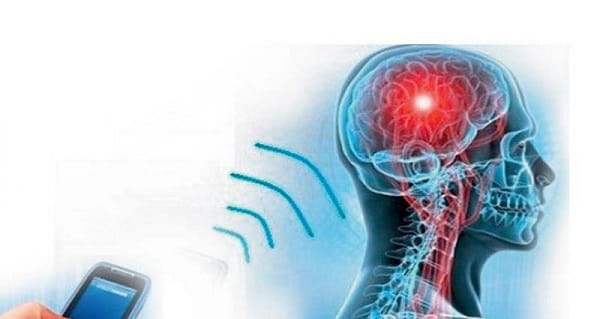
What Is SAR and Why Does It Matter
SAR stands for Specific Absorption Rate — the measure of how much radio frequency energy your body absorbs from your phone when it’s in use, expressed in watts per kilogram (W/kg). Every phone sold in India, the US, Europe, and most regulated markets worldwide must be tested and certified to fall within SAR limits before it can legally be sold.
The safety limits vary slightly by region. In the United States, the FCC sets the limit at 1.6 W/kg measured over any 1 gram of tissue. In Europe and India, the standard is 2.0 W/kg measured over 10 grams of tissue. Any phone below these thresholds has cleared the regulatory requirement for its market.
One important nuance: SAR is measured at maximum transmission power under controlled laboratory conditions. In everyday use, your phone rarely operates at maximum power — it continuously adjusts output based on signal strength and proximity to towers.
Method 1: Dial *#07# on Your Phone
The fastest and most universal method. Open your Phone dialer and type *#07#, then press Call.
On most Android phones, this instantly displays your phone’s SAR values — typically showing separate figures for head (when you hold the phone to your ear) and body (when the phone is held near your torso). The screen may also show a link to your phone’s full RF exposure information.
On iPhones, dialing *#07# and tapping RF Exposure opens a browser page with Apple’s official RF exposure data for your specific device model. The information appears in a clean format showing SAR values for both head and body use.
This code works across virtually all Android and iPhone models currently in use, including Samsung, Oppo, OnePlus, Xiaomi, Vivo, and Google Pixel.
Method 2: Settings Menu
On Android, navigate to Settings → About Phone → Legal Information → RF Exposure. Samsung devices in particular display SAR values clearly through this path. The exact label may vary slightly — some phones show it under Regulatory Information rather than Legal Information — but the RF Exposure section is present on all certified devices.
On iPhone, go to Settings → General → Legal & Regulatory → RF Exposure. This opens the same information as the *#07# method but without needing the dialer code.
Method 3: Check the Retail Box
The original packaging of most smartphones — particularly Samsung, Apple, Xiaomi, and other major brands — prints SAR values on the box itself. Look for a section near the IMEI sticker or barcode area. The head SAR and body SAR values are usually printed there alongside regulatory certification marks.
This method is useful for checking a phone before purchase, or when checking an older device where the settings path may differ from current software.
Method 4: Manufacturer’s Official Website
Every major smartphone manufacturer maintains a public database of SAR values for all their devices. Search your phone’s model name followed by “SAR value” on your manufacturer’s support website. Apple, Samsung, OnePlus, Xiaomi, and Oppo all maintain these records. This is the most accurate source for confirmed, tested values.
What the Numbers Actually Mean
A phone with a SAR value of 1.4 W/kg is not meaningfully safer for daily use than one rated at 0.8 W/kg — the difference in real-world exposure under normal usage patterns is negligible. SAR testing represents a worst-case scenario at maximum power, which your phone almost never reaches during everyday calls, browsing, or streaming.
Distance matters far more than SAR rating. Keeping your phone a few centimetres away from your body — using speakerphone or earphones rather than pressing the handset directly against your head — reduces actual exposure more meaningfully than choosing a lower-SAR device.
FAQs
Q: What is a safe SAR value for a mobile phone?
A: In India and Europe, the limit is 2.0 W/kg. In the US, it’s 1.6 W/kg. Any phone sold legally in these markets is certified within these limits.
Q: Does a higher SAR value mean the phone is dangerous?
A: Not necessarily. SAR is measured at maximum power under lab conditions. Real-world exposure is considerably lower during normal everyday use.
Q: Does *#07# work on all phones?
A: It works on most Android and iPhone models. A small number of devices may display the information differently or redirect to a browser page instead of an on-screen popup.
Q: Can I reduce my phone’s radiation exposure?
A: Yes. Using earphones or speakerphone during calls, and keeping the phone away from your body when not in use, significantly reduces the amount of RF energy absorbed.
Q: Where can I compare SAR values of different phones?
A: The FCC’s online database lists certified SAR values for all phones approved for sale in the US. Manufacturer websites and independent databases like SARList.org also publish this data.