Red wine has long been considered a category for special occasions and significant budgets — but India’s domestic wine industry has decisively changed that narrative. In 2026, India’s winemakers — primarily from Nashik in Maharashtra, Akluj, and Bengaluru’s Nandi Hills — are producing red wines that hold genuine quality at prices most Indian households can comfortably consider for regular enjoyment. The country’s wine market is in an active growth phase, with the Indian wine industry expected to grow by USD 1 billion between 2026 and 2030, driven by improving quality, wider distribution, and a rapidly expanding base of young wine consumers in metros and tier-1 cities. Red wine in particular has grown in popularity as Indian buyers discover how naturally it complements the country’s spice-rich, roasted, and grilled food culture. Under ₹1,000, there are now several domestic red wines that deliver real character, consistent quality, and food-pairing versatility worthy of genuine recommendation. Here are the five best red wine brands under ₹1,000 in India in 2026.
| Wine | Brand | Grape | Price Range | Best Paired With |
| Sula Rasa Shiraz | Sula Vineyards | Shiraz | ₹700–₹900 | Tandoori, kebabs, grilled meats |
| Fratelli M/S Red | Fratelli Wines | Sangiovese blend | ₹600–₹850 | Pasta, pizza, continental dishes |
| Grover Zampa La Réserve Rouge | Grover Zampa | Cabernet Sauvignon / Shiraz | ₹750–₹950 | Rich curries, lamb preparations |
| Big Banyan Merlot | Big Banyan Wines | Merlot | ₹600–₹800 | Paneer makhani, comfort food |
| York Red | York Winery | Cabernet Sauvignon / Shiraz | ₹700–₹900 | Biryani, grilled chicken, red meat |
1. Sula Vineyards — Sula Rasa Shiraz
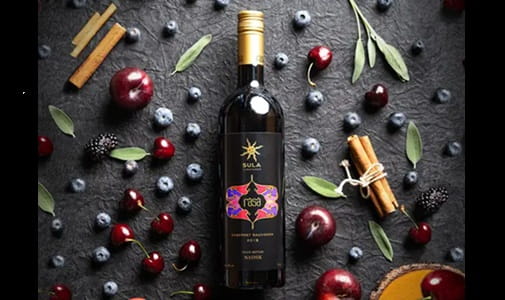
Sula Rasa Shiraz is India’s most popular domestic red wine — a warm, spice-forward Shiraz that handles Indian cuisine’s bold flavours with natural confidence and consistent quality.
Sula Vineyards from Nashik produces more wine than any other Indian winery, and the Rasa Shiraz is its most widely appreciated red offering at the accessible price tier. Nashik’s warm growing conditions are genuinely well-suited to Shiraz — the grape produces wines with naturally higher fruit intensity, warm spice notes, and soft tannins in this climate. The Rasa Shiraz consistently shows dark berry fruit on the nose, plum and blackcurrant on the palate, and a characteristic white pepper finish that makes it simultaneously food-friendly and enjoyable on its own. Tannins are soft enough for casual sipping but structured enough to complement grilled and roasted preparations comfortably.
At ₹700 to ₹900, it is the most broadly distributed domestic red wine in India — available in virtually every licensed outlet across the country, on every major online alcohol delivery platform, and consistently stocked in hotel minibars and restaurant wine lists at the entry price level. Sula’s quality consistency across large production volumes is what makes the Rasa Shiraz genuinely trustworthy — you know what you are buying every time, regardless of where you purchase it. For Indian red wine drinkers looking for their everyday go-to bottle under ₹1,000, the Rasa Shiraz has been and remains the benchmark.
2. Fratelli Wines — Fratelli M/S Red
Fratelli Wines is India’s most Italian-influenced winery and the M/S Red is its most character-driven accessible red — a Sangiovese-based blend that brings authentic Italian grape variety expression to the Indian under-₹1000 bracket.
Fratelli Wines operates from Akluj in Maharashtra’s Solapur district — a winery co-founded with Italian winemaking expertise that has brought genuine European influence to Indian wine production. The Fratelli M/S Red is produced primarily from Sangiovese — the same grape that produces Chianti and Brunello di Montalcino in Tuscany — making it one of the most genuinely interesting red wine choices in India at its price. Sangiovese in India’s warm conditions produces a wine with cherry and cranberry fruit, naturally firm acidity, moderate tannins, and a slightly earthy character that pairs beautifully with continental dishes and is surprisingly versatile with moderately spiced Indian preparations.
The M/S Red is positioned for buyers who have moved beyond simple, fruit-forward red wines and want something with more personality and food-pairing intelligence. Fratelli’s Italian winemaking heritage is evident in the structure and finish — this is a wine that is made to complement food rather than compete with it. At ₹600 to ₹850, it offers exceptional character relative to its price and is a confident recommendation for wine enthusiasts who want to explore something more interesting than the standard domestic Shiraz or Cabernet offerings.
3. Grover Zampa — La Réserve Rouge
Grover Zampa La Réserve Rouge is India’s most critically respected red wine under ₹1000 — a classic Cabernet Sauvignon-Shiraz blend from the country’s most internationally recognised winery.
Grover Zampa Vineyards is India’s most internationally decorated wine producer — earning medals at Decanter, the International Wine Challenge, and multiple Asian wine competitions. The La Réserve Rouge is a blend of Cabernet Sauvignon and Shiraz grown at the foothills of the Nandi Hills in Karnataka — a cooler, higher-altitude terroir that produces noticeably more structure and complexity in red wines than the warmer Nashik plains. The result is a red wine with blackcurrant and dark cherry fruit, moderate tannins, and a persistent finish — characteristics that place it clearly above most other domestic reds in its price category.
At ₹750 to ₹950, the La Réserve Rouge sits at the upper end of the under-₹1,000 bracket but delivers a level of winemaking quality that justifies the slight premium confidently. It pairs particularly well with India’s richer preparations — slow-cooked lamb, mutton curries, and hearty meat dishes — where its structure and dark fruit intensity complement rather than clash with bold flavours. For buyers who take red wine seriously and want the best India’s domestic industry can offer under ₹1,000, Grover Zampa La Réserve Rouge is the clear answer.
4. Big Banyan Wines — Big Banyan Merlot
Big Banyan is Karnataka’s most charming everyday wine brand and the Merlot is its softest, most approachable red — a gentle, easy-drinking wine that suits casual sipping and lighter Indian food pairings.
Big Banyan Wines is produced in Karnataka and represents India’s most approachable and casual wine brand — a label whose philosophy is clearly about making wine enjoyable and accessible rather than serious or intimidating. The Big Banyan Merlot is its most popular red — a soft, fruit-forward wine with plum and red berry character, low tannins, and a gentle finish that makes it the most immediately likeable red wine on this list for buyers who prefer lighter, less structured reds. Merlot’s naturally soft character suits Indian palates that are accustomed to fruit-forward profiles and do not want the astringency that higher-tannin grapes like Cabernet Sauvignon can deliver.
At ₹600 to ₹800, the Big Banyan Merlot is excellent value for a casual evening wine — comfortable with paneer-based preparations, light vegetable curries, and comfort food of all kinds. It is a wine that does not demand attention or analysis — it simply provides a pleasant, unpretentious red wine experience that casual buyers will return to consistently. For social gatherings, casual dinners, and buyers who simply want a reliable, enjoyable red without complexity, it is one of India’s most trustworthy choices at this price.
5. York Winery — York Red
York Winery’s boutique credentials and Nashik terroir deliver a Cabernet Sauvignon-Shiraz blend that gives serious wine enthusiasts a more complex, structured red wine option within the under-₹1000 price ceiling.
York Winery consistently surprises wine enthusiasts with the depth and complexity it achieves at its accessible price points — a hallmark of boutique winemaking philosophy applied to a volume that does not compromise on quality. The York Red is a Cabernet Sauvignon and Shiraz blend that delivers more structured, layered character than most domestic reds in its price bracket — showing blackberry, cassis, and subtle oak influence from careful barrel ageing that gives the wine a weight and presence that buyers typically expect to pay more for. The tannins are present and purposeful rather than harsh — providing genuine aging structure while being approachable now with the right food pairing.
At ₹700 to ₹900, the York Red is specifically recommended for buyers who have outgrown simple, soft domestic reds and want to explore more serious Indian wine without crossing the ₹1,000 threshold. Its structure makes it particularly well-suited to biryani, grilled red meat, and hearty Indian preparations where a fuller-bodied red genuinely elevates the meal. York’s boutique production standards ensure consistency that larger producers sometimes sacrifice at comparable price points.
FAQs — Red Wine Brands Under ₹1000 in India 2026
Q1. Which is the best red wine under ₹1000 for Indian food?
Sula Rasa Shiraz is the most versatile choice for Indian food — its warm, spicy profile handles tandoori, kebabs, and grilled preparations naturally well.
Q2. What is the difference between Shiraz and Cabernet Sauvignon wines in India?
Shiraz wines are typically softer, fruitier, and spicier — easier to drink casually. Cabernet Sauvignon wines are more structured, tannic, and complex — better suited to food pairing with rich preparations.
Q3. Which Indian red wine brand has the best international recognition?
Grover Zampa Vineyards consistently earns the most international medals and recognition — its wines have won at Decanter and the International Wine Challenge.
Q4. Should red wine be chilled before serving in India?
Light red wines can be served slightly chilled at 16-18°C — particularly important in India’s warm climate where room temperature often exceeds the ideal serving range for red wines.
Q5. How long can a red wine under ₹1000 be stored after opening?
Most domestic red wines under ₹1,000 are best consumed within 2-3 days of opening when stored with a stopper in the refrigerator — they are not designed for extended cellaring after opening.