The liver is arguably the most underappreciated organ in the human body — silently performing over 500 biochemical functions daily, filtering toxins from the blood, metabolising fats and carbohydrates, producing bile for digestion, storing vitamins and minerals, and manufacturing proteins essential for blood clotting and immune function. It is also remarkably resilient, capable of regenerating substantial portions of its own tissue when damaged. But this resilience has limits, and in 2026, non-alcoholic fatty liver disease (now formally renamed MASLD — Metabolic dysfunction-Associated Steatotic Liver Disease) has become one of the most prevalent chronic conditions worldwide, affecting nearly one in four adults, many of whom don’t even know they have it.
The genuinely good news is that diet is among the most powerful interventions available for both preventing and reversing early-stage liver damage. Research consistently shows that even modest weight loss combined with dietary changes can produce dramatic liver improvements: a 5% reduction in body weight can meaningfully reduce liver fat, 7% weight loss can begin reversing steatotic liver disease, and 10%-plus weight loss can resolve inflammation and improve some liver scarring. The Mediterranean and DASH dietary patterns have the strongest evidence for supporting liver health, and specific foods within these patterns stand out for their genuinely powerful, well-documented liver benefits.
1. Coffee — The Unexpected Liver Superhero

Coffee’s inclusion at the top of this list surprises many people, but the evidence for coffee as a liver-protective beverage is genuinely among the strongest for any single dietary intervention. University of Chicago Medicine’s Steatotic Liver Disease Clinic specifically recommends patients with non-alcoholic fatty liver disease drink up to three cups of coffee per day, based on consistent research showing coffee reduces the risk of developing NAFLD and reduces liver scarring in those already affected.
The mechanisms are multiple and well-documented. Coffee contains chlorogenic acids and other polyphenols with powerful antioxidant properties that protect liver cells from oxidative damage. Caffeine appears to specifically reduce fibrosis progression — the scarring process that transforms simple fatty liver into potentially serious cirrhosis over time. Regular coffee consumption has been associated with reduced liver enzyme levels (specifically ALT and AST, the markers that indicate liver stress), reduced risk of liver cancer, and improved outcomes in existing liver disease.
The crucial caveat: this applies only to coffee consumed without added sugar or excessive cream. Sugary lattes and sweetened coffee drinks negate the benefits and can actively worsen liver health through the fructose and refined carbohydrate load they add. Black coffee, or coffee with minimal milk and no sugar, delivers the protective benefits without the counterproductive additions.
Practical addition: 2-3 cups of black coffee daily, ideally without added sugar. For those sensitive to caffeine, decaf coffee retains many of the polyphenol benefits without the stimulant effect.
2. Leafy Greens and Cruciferous Vegetables
Dark leafy greens (spinach, kale, palak, methi, Swiss chard) and cruciferous vegetables (broccoli, cauliflower, cabbage, Brussels sprouts, mustard greens) together form arguably the most important vegetable category for liver support. Both groups deliver powerful antioxidants, fibre, and specific phytonutrients that directly enhance the liver’s natural detoxification pathways.
Cruciferous vegetables specifically contain glucosinolates that convert to bioactive isothiocyanates including sulforaphane — compounds that regulate the liver’s Phase I and Phase II detoxification enzymes, meaningfully improving the organ’s capacity to biotransform and eliminate toxins from the bloodstream. This isn’t fringe wellness theory; it’s well-documented biochemistry, and cruciferous vegetables’ role in supporting liver detoxification pathways appears consistently in functional medicine and mainstream hepatology literature alike.
Leafy greens provide chlorophyll (which may help bind and eliminate certain toxins), folate (essential for liver methylation pathways), magnesium, and powerful antioxidants that reduce the oxidative stress that drives progressive liver damage. They’re also low in calories and rich in fibre, supporting the weight management that is genuinely central to reversing fatty liver disease.
For Indian consumers, traditional preparations like palak paneer (using minimal oil), sarson ka saag, and cabbage sabzis provide excellent access to these liver-protective vegetables within familiar culinary contexts.
Practical addition: Aim for at least three servings of vegetables daily, with a specific emphasis on including cruciferous vegetables (broccoli, cauliflower, cabbage) 3-4 times weekly and leafy greens most days.
3. Fatty Fish — Omega-3 for Liver Fat Reduction
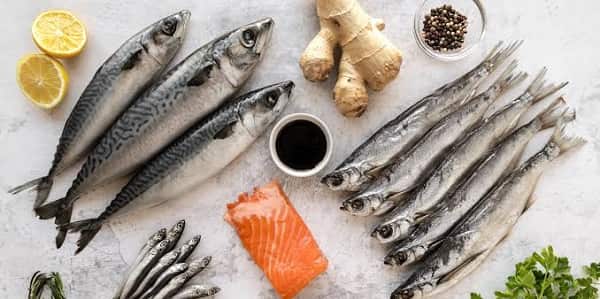
Fatty fish provides the single most concentrated dietary source of omega-3 fatty acids (EPA and DHA), and omega-3s have specific, measurable benefits for liver health beyond their well-known cardiovascular effects. Research has consistently shown that increased omega-3 intake reduces liver fat accumulation — the primary pathological feature of MASLD — while simultaneously reducing inflammation and improving insulin sensitivity, both of which drive the progression of fatty liver disease.
The mechanism is direct: omega-3s alter the liver’s fat metabolism pathways, reducing the synthesis of new triglycerides while promoting the oxidation (burning) of stored liver fat. They also reduce the inflammatory signalling that transforms simple fatty liver into non-alcoholic steatohepatitis (NASH), the more dangerous inflammatory form that can progress to cirrhosis over years or decades.
Salmon, mackerel, sardines, and herring provide the most concentrated omega-3 content. For Indian consumers, rohu, hilsa, bangda (Indian mackerel), and sardines offer comparable benefits at more accessible price points. Sardines are particularly valuable, delivering omega-3s alongside calcium and vitamin D in one of the most nutrient-dense food packages available.
The 2026 dietary guidance from major hepatology institutions consistently emphasises that non-fried fish preparation matters critically. Deep-fried fish preparations negate the omega-3 benefits and add unhealthy fats that worsen liver health.
Practical addition: 2-3 servings of fatty fish per week, prepared grilled, baked, curried in tomato-based preparations, or steamed. Vegetarians can obtain plant-based omega-3s (ALA) from walnuts, flaxseeds, and chia seeds.
4. Nuts, Seeds, and Legumes
Nuts (walnuts, almonds, pistachios), seeds (sunflower, pumpkin, chia, flax), and legumes (dals, chickpeas, kidney beans, black beans, soybeans) together form the most important plant-based category for liver health. This grouping delivers unsaturated fats, protein, fibre, vitamin E, magnesium, and polyphenols — a combination that supports every major pathway of liver protection simultaneously.
Sunflower seeds specifically deserve mention as one of the most concentrated dietary sources of vitamin E, an antioxidant with genuinely strong research evidence for reducing liver inflammation and oxidative damage in fatty liver disease. Walnuts provide plant-based omega-3s (ALA) that complement the benefits of fatty fish. Almonds deliver vitamin E, magnesium, and monounsaturated fats supporting insulin sensitivity.
Legumes are particularly valuable for liver health because they combine plant protein (which is less taxing on the liver than certain animal proteins), soluble fibre (which reduces cholesterol absorption and supports gut health that in turn affects liver function through the gut-liver axis), and slow-releasing carbohydrates that don’t trigger the insulin spikes that drive liver fat accumulation. Dietary patterns higher in legumes and lower in red and processed meats have been consistently associated with lower cardiovascular and liver disease risk.
Soy specifically, for those without allergies, is included in functional medicine’s Detox Food Plan for its effects on liver detoxification enzymes, though moderate rather than excessive consumption is recommended.
Practical addition: A small handful of mixed nuts and seeds daily. At least one serving of legumes daily — dal, chana, rajma, or other pulses as central components of Indian meals.
5. Berries and Whole Grains
Berries — blueberries, strawberries, raspberries, blackberries, and Indian gooseberry (amla) — provide the most concentrated antioxidant content per calorie of any food category. Their anthocyanins, polyphenols, and vitamin C directly neutralise the free radicals that drive oxidative liver damage, while their fibre content supports overall weight management and gut health.
Amla deserves particular emphasis in the Indian dietary context — it contains approximately 20 times more vitamin C per gram than oranges, alongside polyphenols with specific evidence for liver protection in both Ayurvedic tradition and modern research. Regular amla consumption (fresh, as juice, or in traditional preparations like amla murabba without added sugar) provides genuine, meaningful liver support.
Whole grains — oats, quinoa, barley, brown rice, ragi, jowar, and bajra — complement berries by providing the sustained-release complex carbohydrates and soluble fibre that support stable blood sugar, healthy insulin function, and gut microbiome balance. All three factors directly affect liver health. Oats specifically contain beta-glucan, a soluble fibre with documented effects on cholesterol and blood sugar management.
For Indian consumers, traditional whole grains including ragi, bajra, and jowar provide excellent liver-supportive nutrition rooted in indigenous dietary tradition, alongside newer additions like oats and quinoa. Replacing refined white rice with brown rice or millets represents one of the most impactful single dietary changes for liver health.
Practical addition: One cup of berries daily (fresh, frozen, or as amla juice). Whole grains as the primary carbohydrate source at every meal — brown rice or millets replacing white rice, whole wheat roti instead of maida-based options.
Foods to Avoid for Liver Health
Alongside eating these foods, minimise added sugar (particularly fructose and high-fructose corn syrup, which directly promotes liver fat accumulation), refined carbohydrates, ultra-processed foods, saturated and trans fats, red and processed meats, excessive salt, and alcohol. The 2026 dietary guidance consistently emphasises that removing these foods matters as much as adding the beneficial foods listed above.
FAQs
Q: Can diet actually reverse fatty liver disease?
A: Yes, in early stages. Research consistently shows that dietary changes combined with modest weight loss can reduce liver fat and even reverse early steatotic liver disease. A 7% weight loss through diet and exercise can begin reversing the condition, while 10%-plus weight loss can resolve inflammation and improve some scarring.
Q: Is coffee really good for the liver?
A: Yes, when consumed without added sugar. Research consistently supports coffee’s protective effects — reducing NAFLD risk, decreasing liver enzyme levels, and slowing fibrosis progression. Major liver clinics recommend up to 3 cups of black coffee daily for liver health, though sugary coffee drinks negate the benefits.
Q: What foods should I completely avoid for liver health?
A: Alcohol, sugary beverages including fruit juices, ultra-processed foods, refined carbohydrates like white bread and pastries, fried foods, and excessive red or processed meats. These directly contribute to liver fat accumulation, inflammation, and progression of liver disease.
Q: Are detox teas or liver cleanse products effective?
A: No. The liver naturally detoxifies the body continuously through its normal biological function — it doesn’t need external “cleansing.” Detox products lack scientific evidence and some can actively harm the liver. Focus instead on consistent healthy dietary patterns that support the liver’s natural detoxification pathways.
Q: How quickly can I improve my liver health through diet?
A: Meaningful improvements can occur within 8-12 weeks of consistent dietary changes, though complete resolution of fatty liver disease typically requires several months to a year of sustained lifestyle change. Blood tests measuring liver enzymes typically show improvement within 3-6 months of consistent healthy eating combined with weight loss.